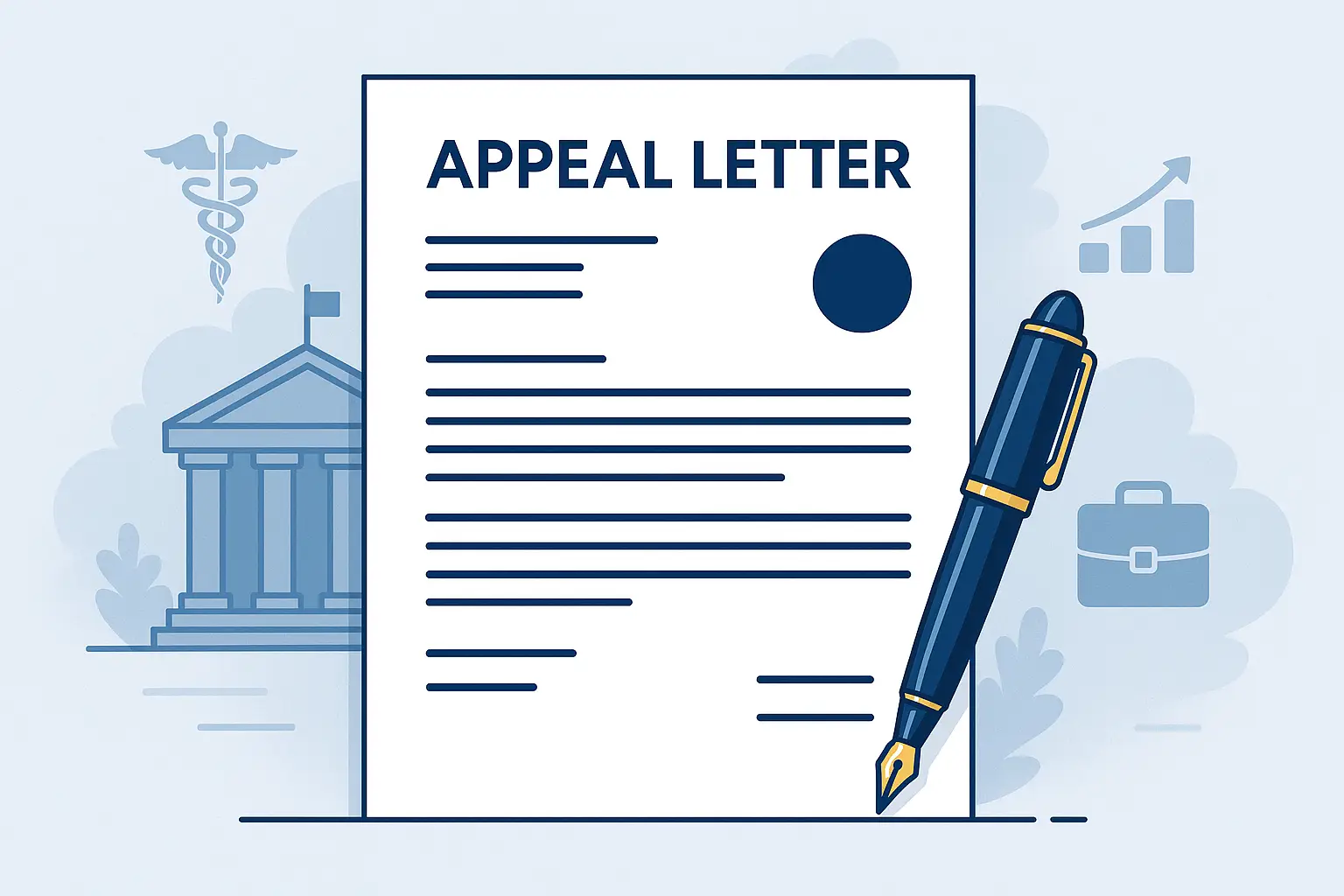
An appeal letter is a formal written response that requests reconsideration of a decision made by an agency, organization, or employer. It allows a person to explain why they disagree with an outcome and to provide supporting documents that may change the decision maker's judgment or opinion. A clear and respectful letter helps maintain fairness in the appeal process.
A well-written appeal letter should focus on facts and evidence rather than feelings. It must describe the challenged decision, state the reasons for disagreement, and include documentation supporting the claims. When done correctly, the letter becomes a concise and professional request that gives the reviewer the information needed to reconsider the denial or outcome.
The appeal process provides an opportunity to correct errors, ensure accurate records, and give individuals access to benefits, services, or positions that may have been wrongly denied. Whether addressing a government office, an insurance department, or an employer, the letter serves as an essential record of the request. It demonstrates that the person has taken the proper steps to seek a fair review.
Understanding an Appeal Letter
An appeal letter is a written request that challenges a decision, denial, or judgment issued by an organization, agency, or employer. It allows the person to explain their concerns in writing and provide documentation supporting their case. Because appeal decisions affect access to benefits, claims, or job duties, the letter must be accurate, respectful, and focused on facts.
The purpose of an appeal letter is to disagree with a decision and request a fair review by the decision maker. A well-written appeal letter provides further information, identifies errors or incorrect conclusions, and describes why the decision should be reconsidered. The goal is to maintain a professional tone while presenting the reasons for appeal clearly and concisely.
Key Functions of an Appeal Letter
- Clarifies the decision being challenged: The letter should note the date of the decision, describe the outcome, and identify the department or office responsible.
- Explains the reasons for disagreement: The person writing the appeal must describe specific points where the decision was incorrect or unfair, rather than relying on broad statements.
- Supporting documents: Records, verification forms, or enclosed evidence should be listed and included with the letter so the reviewer can evaluate the claim correctly.
- Requests reconsideration: The appeal should state the writer's hope for an outcome, such as approval of benefits, correction of a job decision, or reversal of a denial.
- Maintains professional tone and structure: The letter must be concise, focused, and respectful, ending with a clear signature and contact information.
An appeal letter serves as both a record of the request and a formal step in the appeal process. Writing carefully improves the chance that the person reviewing the file will respond with a reconsideration or provide further instructions for resolving the concern.
Types of Appeal Letter Template
Appeal letters are used in many areas where a decision needs to be reconsidered. Each type of appeal letter template must follow the same basic structure and reflect the requirements of the department or office that issued the denial. A well-written appeal letter provides reasons for disagreement, includes supporting documents, and requests a fair review from the decision maker.
Federal Benefits Appeals
Individuals often submit appeal letters when federal benefits such as Social Security disability, veterans’ assistance, or unemployment claims are denied. The letter should explain why the denial was incorrect and include documentation such as medical records, employment history, or verification forms. Filing on time and maintaining a professional tone helps ensure that the request is reviewed correctly.
Tax Appeals
Taxpayers may write an appeal letter to challenge outcomes from the Internal Revenue Service, including audit results, penalties, or collection notices. A strong appeal letter identifies the date of the notice, describes the points of disagreement, and provides records that support the taxpayer’s position. This process allows a person to maintain access to their rights without immediately going to court.
Immigration Appeals
Appeal letters also play an important role in immigration matters. These letters may be used to respond to visa denials, deportation proceedings, or unfavorable judgments on citizenship applications. The letter should describe the challenged decision, explain the reasons for appeal, and enclose proper documentation such as identification records or legal forms. Strict deadlines apply, so the letter must be filed and submitted within the required timeframe.
Healthcare Appeals
Patients and families often use appeal letters to request reconsideration of denied medical claims or treatment coverage. The letter should describe the denied service, explain why the treatment was necessary, and include supporting documents such as diagnoses, doctors’ notes, or medical records. Keeping the writing concise and respectful increases the chance of a fair review by the department or insurance office.
Education and Job-Related Appeals
Students may write appeal letters to challenge academic decisions, disciplinary actions, or financial aid denials. At the same time, employees may submit them to dispute issues related to job duties, promotions, or workplace claims. In these cases, the letter should describe the reasons for disagreement, provide relevant documentation, and close with a professional signature. Presenting the concern clearly and organized helps the reviewer reconsider the decision.
An appeal letter template offers structure and consistency across all these areas. By following a professional format and enclosing the required documents, the writer improves the likelihood of receiving a helpful response and a more favorable outcome.
Eligibility and When to Use an Appeal Letter
Not every decision can be appealed, and each organization has rules determining when a written request will be accepted. Meeting eligibility standards is essential for the appeal process to move forward. The following points explain when an appeal letter may be used.
- General eligibility applies to most appeals: A person must be directly affected by the decision and able to explain why the outcome was incorrect in writing. The appeal letter should include supporting documents, provide clear reasons for disagreement, and be appropriately filed.
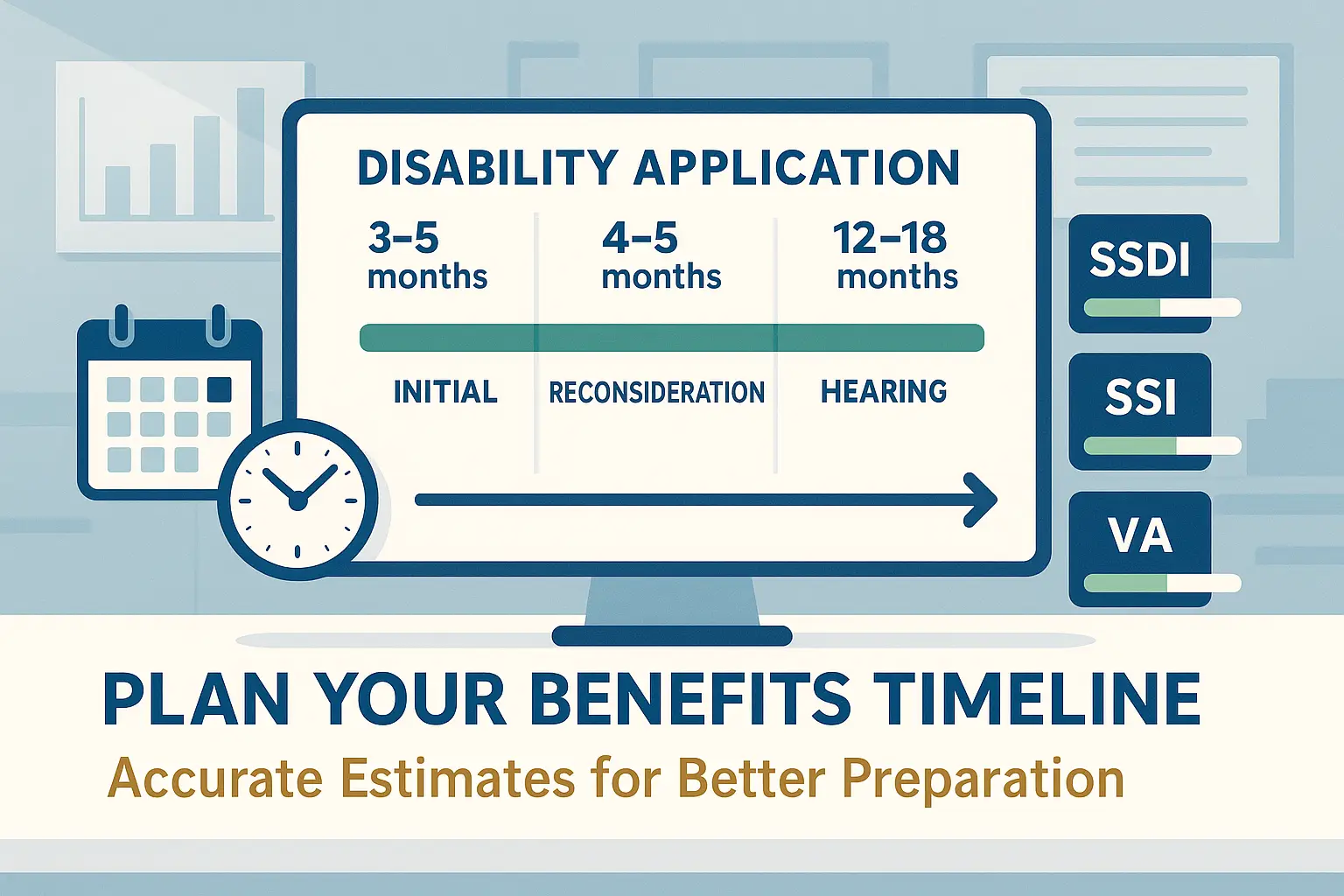
- Deadlines must be observed: Many agencies allow only a set period, often between thirty and one hundred eighty days, from the date of the decision to submit an appeal. If the letter is sent late, it may be rejected without review.
- Agency-specific requirements vary: Each department sets its rules. The Internal Revenue Service may require reference to the specific notice received, while the Social Security Administration often needs medical records or verification of a diagnosis. Immigration and healthcare appeals may require additional forms to accompany the letter.
- Documentation strengthens the appeal: Enclosing records such as notices, diagnoses, employment history, or financial documents allows the decision maker to review the claims fairly. Missing or incomplete documentation often delays or weakens the review.
- Timely submission improves outcomes: Submitting the appeal letter early helps ensure that the office has time to review it and, if necessary, request further information. Acting quickly also demonstrates that the person filing the appeal is serious about reconsidering the decision.
Appeal Process: Step-by-Step Guide
Filing an appeal requires careful attention to detail and a clear structure. Following the steps below helps ensure the letter is effective, timely, and complete.
- Review the decision and documents: Read the denial or judgment carefully, and note the date, reasons given, and any policies cited. This review helps the person understand precisely what must be addressed in the appeal letter.
- Calculate filing deadlines: Determine how much time is allowed to submit the appeal. Missing a deadline may result in the office rejecting the request without further review.
- Select the correct appeal letter template: Choose the format that matches the type of appeal, whether it involves federal benefits, taxes, healthcare, immigration, or employment. A proper template ensures that key elements are not overlooked.
- Gather supporting documentation: Collect records, verification forms, or other enclosed documents that strengthen the claims. Providing complete information allows the decision maker to reconsider the case fairly.
- Write a clear and concise appeal letter: State the challenged decision, explain why it was incorrect, and request reconsideration. Use a professional tone, keep the writing focused, and avoid unnecessary details.
- Submit the appeal to the proper office or department: Address the letter correctly, include all required pages, and send it to the designated office by the deadline. Confirm whether mailing, online filing, or in-person submission is required.
- Follow-up after submission: Keep records of when and how the letter was sent. Respond promptly and provide any additional documents if the office requests further information.
Key Elements of an Effective Appeal Letter
A well-written appeal letter must follow a clear structure so the decision maker can quickly understand the request. The goal is to provide enough detail for the reviewer to reconsider the denial while maintaining a concise and professional tone. The following key elements should be included in every appeal letter.
- Proper address and header information: Begin with the writer’s full name, address, phone number, email, and the date. Include the recipient’s office, department, or specific decision maker, along with any reference or case number.
- Clear explanation of the decision being challenged: State the decision directly, noting the date it was received and the outcome. This ensures the reviewer understands the exact point under appeal.
- Reasons for disagreement: Describe why the decision was incorrect or unfair. Explain the situation clearly, focusing on facts and evidence rather than emotions.
- Supporting documents and evidence: List and enclose documentation such as records, diagnoses, verification forms, or official notices. Proper documentation is essential for a fair review.
- Requested relief or outcome: State the result the writer hopes to achieve, whether approval of a claim, reconsideration of a judgment, or correction of an error.
- Professional tone and formatting: Keep the writing concise and respectful. Avoid unnecessary details and maintain a formal structure that reflects the seriousness of the appeal.
- Closing with contact details and signature: End the letter with a statement such as “Sincerely,” followed by a handwritten or digital signature. Include contact information so the office can respond or request further information.
Including these key elements in an appeal letter demonstrates that the writer has taken the proper steps to present the request clearly and professionally. This approach gives the reviewer the best chance to reconsider the decision and issue a fair response.
Sample Letter: Appeal Letter Template Example
A sample letter should act as a guide rather than a form to copy word-for-word. Every appeal must be tailored to the specific decision, the department that issued it, and the supporting documents available. While the tone should remain professional and concise, the structure should follow a consistent order so the decision maker can review the request clearly.
Sample Appeal Letter Example
[Your Full Name]
[Your Address]
[City, State, ZIP Code]
[Phone Number]
[Email Address]
[Date]
[Recipient’s Name]
[Office or Department]
[Agency or Organization Name]
[Address]
[City, State, ZIP Code]
Re: Appeal of Decision
Case/Reference Number: [Number]
Dear [Decision Maker],
I am writing to appeal the decision dated [insert date] regarding [brief description of decision]. This decision was incorrect, and I respectfully request reconsideration.
The reasons for my disagreement are as follows:
[Explain the specific points of error, describe why the decision should be changed, and provide precise, factual details.]
Supporting documents are enclosed for your review. These records include [list of documents, records, or verification forms] that provide further information relevant to my appeal.
I request that this decision be reviewed again, and I hope the additional documentation will help reach a fair outcome. Please contact me if you need further information.
Sincerely,
[Signature]
[Printed Name]
Enclosures:[List of enclosed documents]
Alternatives to the Appeal Process
While a written appeal letter is the most common way to request reconsideration, some agencies and departments offer other options. Depending on the case, these alternatives may provide faster results or allow for a more detailed review. Understanding how each method works is essential before deciding which path to take.
Formal Hearings
Some agencies provide formal hearings before an administrative law judge. This option allows the person to explain their claims in detail, present documentation, and respond directly to questions. Although hearings can lead to more thorough reviews, they usually require more time and preparation than a written appeal letter.
Informal Reviews
An informal review may be available before filing a formal appeal. This process is often quicker, less costly, and less formal. However, if the decision remains unchanged, it may not provide the same opportunity to present supporting documents or request a complete reconsideration.
Congressional or External Assistance
Sometimes, individuals may seek help from a congressional office or an external advocacy group. While these requests cannot replace the official appeal process, they may help draw attention to the concern and encourage the department to respond more quickly.
Each of these alternatives can be useful depending on the situation. Before choosing which course of action to pursue, a person should consider the time required, the level of detail needed, and the outcome they seek.
Best Practices and Common Mistakes in Appeal Writing
Writing an appeal letter requires care, accuracy, and a professional tone. Following best practices helps strengthen the request, while avoiding common mistakes prevents delays or denials in the appeal process.
Best Practices
- File the appeal before the deadline expires. Submitting the letter on time ensures that the office or department will review the request rather than automatically reject it.
- Maintain complete records of all communication: Keeping copies of letters, emails, and notices allows the person to verify if questions arise later.
- Address specific agency requirements: Tailoring the letter to match the department's policies and instructions improves the chance of approval.
- Provide concise and factual explanations: A well-written appeal letter should explain why the decision was incorrect without relying on emotional arguments.
- List and enclose supporting documents: Submitting complete documentation with the letter helps the decision maker review the claims fairly and efficiently.
- Use a professional tone throughout the letter: Respectful language and clear writing reflect seriousness and increase credibility with the reviewer.
Common Mistakes
- Missing the filing deadline: An appeal received late is often denied automatically, regardless of the strength of the arguments presented.
- Failing to follow preliminary procedures: Some agencies require informal reviews or specific forms before an appeal letter can be filed. Skipping these steps may lead to rejection.
- Submitting incomplete or unclear information: Leaving out essential records or failing to describe the reasons for disagreement weakens the request.
- Writing in an overly emotional or informal style: While feeling strongly about a decision is natural, the letter should remain professional and focused on facts.
- Ignoring formatting or procedural rules: Not addressing the letter correctly, failing to sign it, or leaving out required enclosures can prevent the office from accepting the appeal.
Agency-Specific Resources for Appeal Letters
Each government agency has its own rules for the appeal process. Using the correct office, forms, and supporting documents is essential to ensure that the appeal letter is reviewed. The resources below provide an overview of major federal agencies and their appeal procedures.
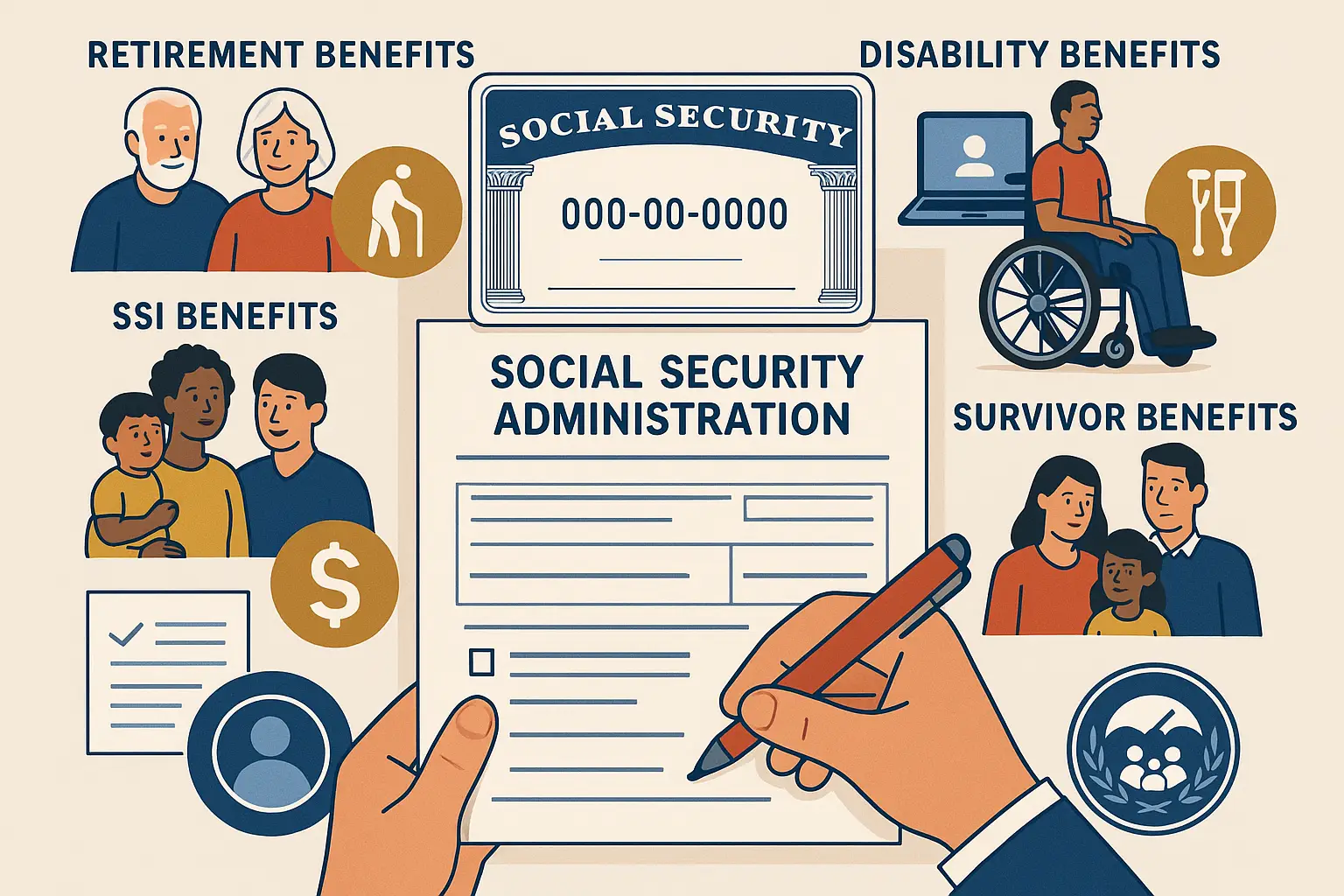
Social Security Administration (SSA)
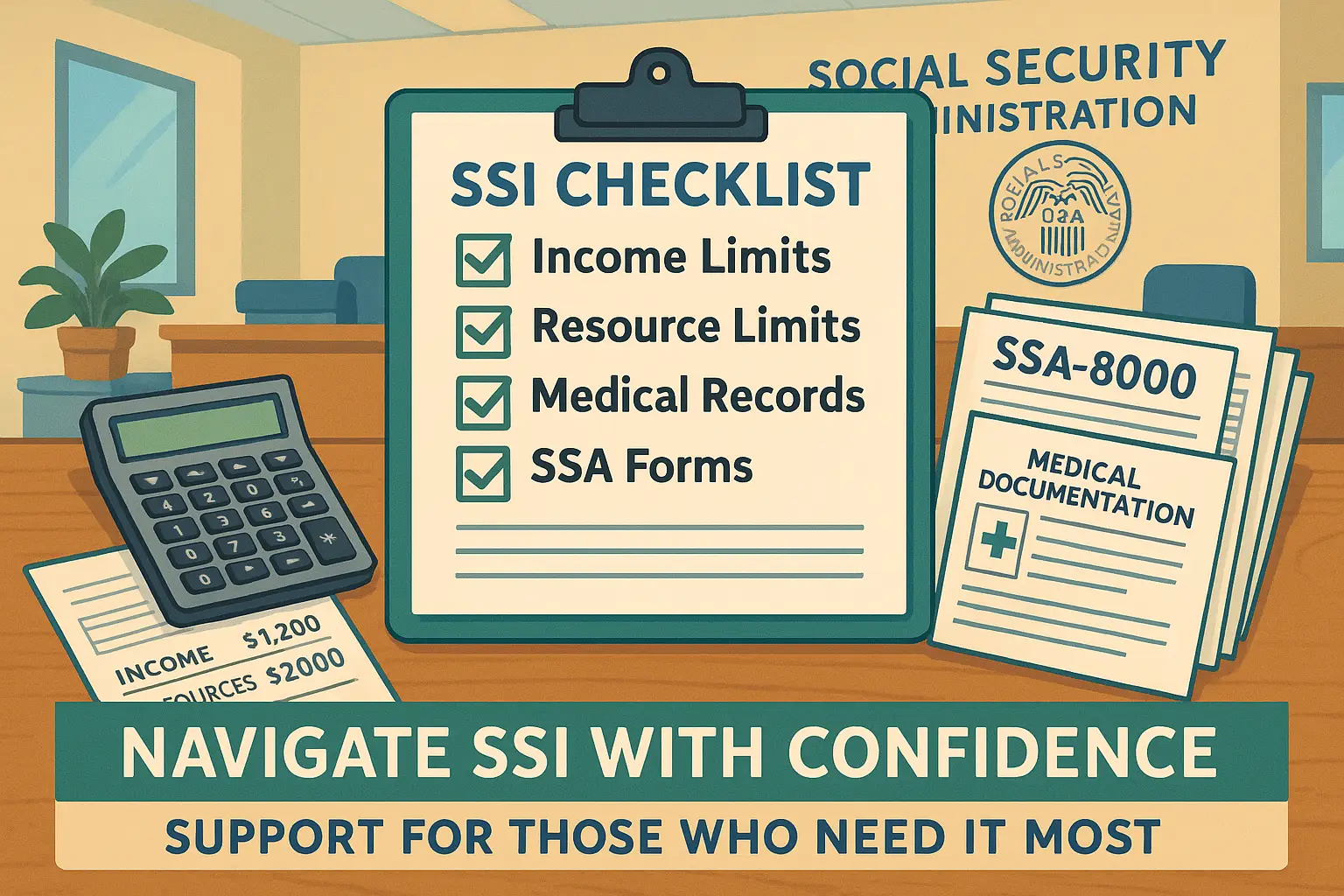
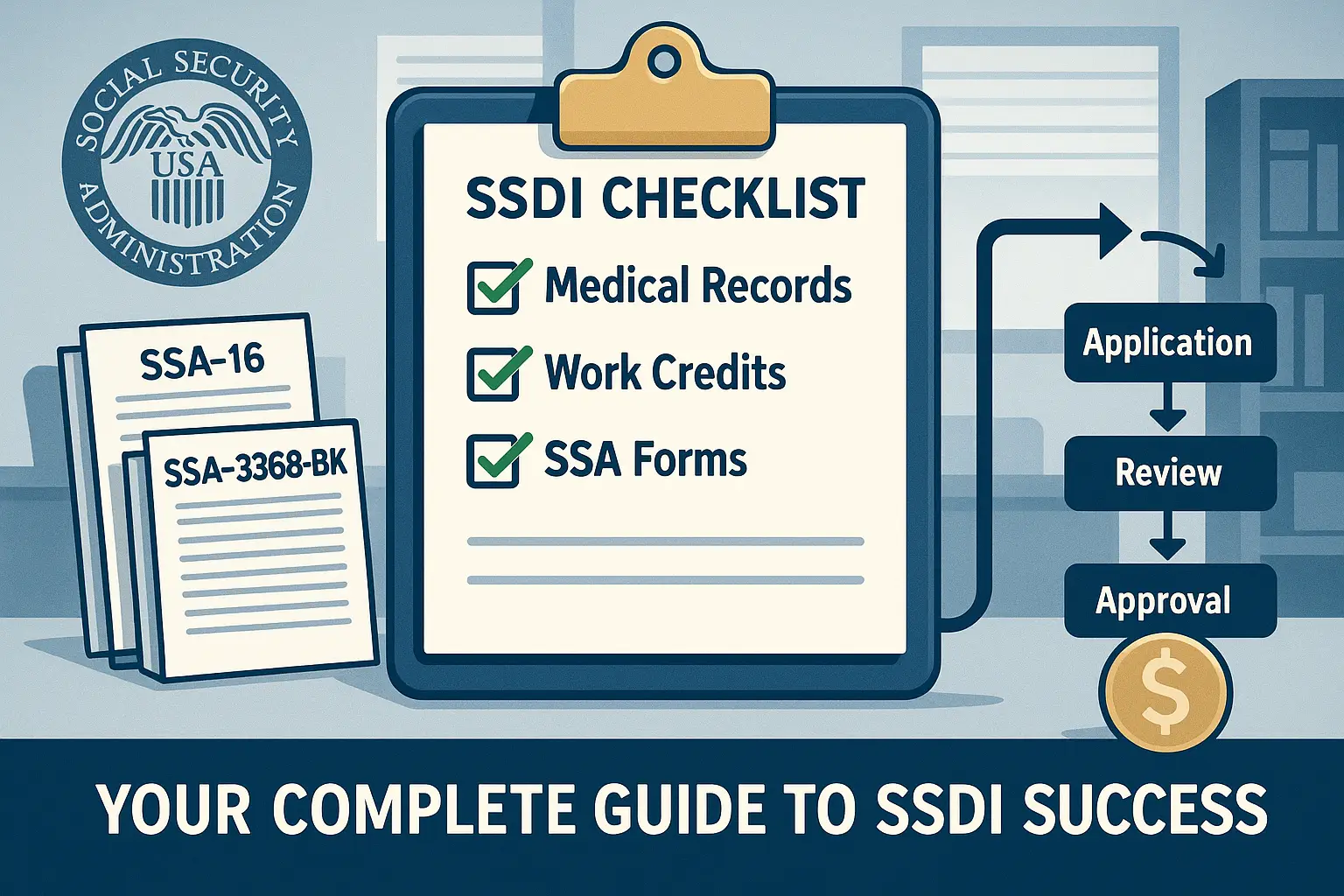
The SSA provides a structured appeal process for decisions about disability benefits, retirement benefits, and supplemental security income. An appeal letter should describe the decision being challenged, include medical records or employment history as supporting documents, and be submitted within the deadlines set by the agency.
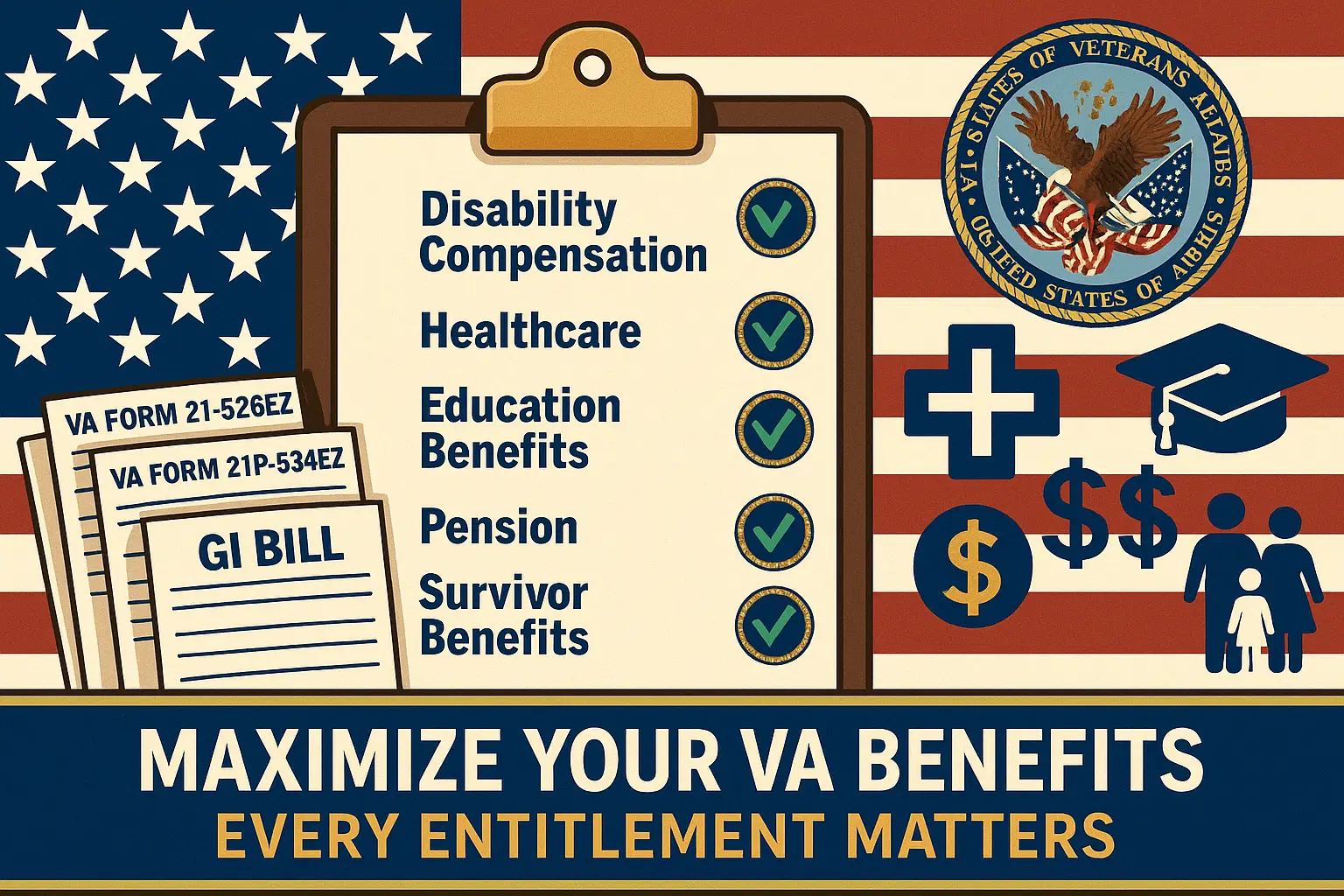
Department of Veterans Affairs (VA)
The VA uses a multi-level system for appeals, including supplemental claims, higher-level reviews, and Board of Veterans’ Appeals hearings. An effective appeal letter must identify the decision under review, explain the reasons for disagreement, and include verification documents that support the veteran’s claims.
Internal Revenue Service (IRS)
The IRS Independent Office of Appeals allows taxpayers to dispute audit results, penalties, or collections without going to court. A tax appeal letter should reference the date and details of the notice received, describe why the outcome was incorrect, and provide financial records or supporting documentation for review.
Centers for Medicare & Medicaid Services (CMS)
CMS oversees appeals related to Medicare and Medicaid coverage. An appeal letter in this area should describe the denied treatment or service, explain the medical reasons for reconsideration, and enclose supporting documents such as diagnoses, doctor’s notes, or treatment records. Submission deadlines are strict, and late appeals are often denied.
Department of Homeland Security (DHS) and Department of Justice (DOJ)
Immigration appeals are reviewed through DHS and DOJ offices. Appeal letters may address visa denials, deportation proceedings, or citizenship applications. These letters must include identification records, legal forms, or other required documents and should be filed within the timeframe specified by the department.
Additional Tools and Assistance for the Appeal Process
Filing an appeal can feel overwhelming, but several resources are available to help individuals prepare a well-written appeal letter and navigate the process. Using these tools can differentiate between a denial and a favorable outcome.
- Legal aid organizations: Many communities have legal aid offices that assist with appeals involving benefits, healthcare, housing, and employment. These organizations often provide free or low-cost support to people who qualify.
- Ombudsman services: Some government departments maintain ombudsperson offices to address concerns, answer questions, and provide further information about the appeal process.
- Online submission systems: Agencies such as the IRS, SSA, and CMS allow appeals to be filed online. Digital systems make it easier to submit documents, track status, and maintain access to official records.
- Government publications: Resources such as the Federal Register and Code of Federal Regulations contain rules and policies that govern the appeal process. Reviewing these sources helps ensure the letter adheres to required standards.
- Professional assistance: In complex cases, hiring an attorney or experienced representative may be helpful. Professionals can explain procedural requirements, prepare documentation, and clarify the appeal.
These tools provide guidance and support, helping individuals maintain deadlines, enclose proper documentation, and communicate effectively with the department or office reviewing their request.