Even basic needs like food, rent, and utilities can feel out of reach when money is tight. Millions of people across the United States depend on Supplemental Security Income (SSI) to bridge that gap. If you are struggling to make ends meet due to age, blindness, or a disability, understanding what SSI is could be the first step toward financial stability.
The Social Security Administration (SSA) runs SSI, a federal income support program. Unlike Social Security Disability Insurance (SSDI), SSI does not require a work history or Social Security tax contributions. Instead, it provides monthly cash benefits to people with limited income and resources. These payments help cover essential living costs such as food, clothing, and housing, ensuring recipients meet their basic needs.
Knowing whether you may be eligible for SSI and how to apply. Missing out on benefits could mean going without money that you legally qualify for. In this guide, we will break down what SSI is, who can receive it, how benefit amounts are determined, and what steps to take if you are ready to apply. By the end, you will have the information you need to check your eligibility and take action toward getting the support you deserve.
What Is SSI?
Supplemental Security Income (SSI) is a federal program that provides monthly cash benefits to people with strict financial and personal requirements. Administered by the Social Security Administration (SSA), SSI is designed to support individuals who are 65 or older, blind, or have a qualifying disability that limits their ability to work. Unlike Social Security Disability Insurance (SSDI), SSI is not based on your work history or Social Security tax contributions. Instead, it is a needs-based program funded by general tax revenues. That means you can still receive SSI even if you never worked or paid into Social Security.
The goal of SSI is simple: to ensure that people with limited income and resources have the financial support needed for necessities like food, clothing, and housing. Each month, eligible individuals receive a set federal benefit amount, which state programs may supplement in some cases. Understanding SSI and how it works is the first step toward determining if you or a loved one may be eligible. The following section will examine your requirements to qualify for these benefits.
Who Is Eligible for SSI?
Eligibility for Supplemental Security Income (SSI) depends on several factors: your age or disability status, your income and resources, and where you live. The Social Security Administration (SSA) uses all these criteria to decide if you qualify.
Age, Disability, or Blindness Requirements
You must meet at least one of these:
- Age 65 or older: You qualify based solely on age if you meet income and resource limits.
- Blind: You are considered blind if your vision meets SSA’s legal definition of blindness.
- Disabled: You must have a medical condition that prevents you from working for at least 12 months, is expected to last that long, or result in death.
- Children with disabilities: Children may be eligible if their condition severely limits daily activities and the household meets income limits.
Income and Resource Limits
SSI is a needs-based program, so your finances matter.
- Income: Monthly countable income must generally be under $1,971 (2024). Both earned (wages) and unearned income (pensions, other benefits) are counted.
- Resource Limits: $2,000 for individuals and $3,000 for couples. Resources include money in bank accounts, vehicles, and other assets. Your home and one vehicle are usually excluded.
- Spousal Income: If married, your spouse’s income and resources are considered.
Citizenship and Residency Rules
You must:
- Be a U.S. national, or lawfully admitted noncitizen in an eligible category.
- Reside in one of the 50 states, D.C., or the Northern Mariana Islands.
- Not live outside the U.S. for 30+ consecutive days.
- Not live permanently in a public institution such as a prison.
Meeting these requirements is the first step toward getting approved for SSI benefits. Next, let’s look at how much you could receive each month.
How Much Are SSI Payments?
The amount you receive from Supplemental Security Income (SSI) depends on the Federal Benefit Rate (FBR) and your countable income. Each year, the Social Security Administration (SSA) adjusts these rates to reflect changes in the cost of living, known as the COLA (Cost-of-Living Adjustment).
Federal Benefit Rates (FBR) for 2024
How Payment Amounts Are Determined
To calculate your monthly payment, SSA:
- Starts with the FBR (shown above).
- Subtracts your countable income (wages, benefits, pensions).
- Adds any state program supplements you may qualify for.
Not all income is counted. SSA excludes specific amounts, such as the first $20 of most income and the first $65 of earned income each month. This means you may still receive partial SSI payments even if you have some income.
SSI vs. SSDI: Key Differences
Many people confuse Supplemental Security Income (SSI) with Social Security Disability Insurance (SSDI) because both are administered by the Social Security Administration (SSA) and support individuals with disabilities. However, the programs have very different eligibility rules, funding sources, and benefits.
Key Differences Between SSI and SSDI
Application Process for SSI
Filing for Supplemental Security Income (SSI) is straightforward, but acting quickly can help avoid losing benefits. The Social Security Administration (SSA) recommends starting as soon as you may qualify.
How to Apply
You can file for SSI using one of these methods:
- Online Application: Start your application on SSA’s secure website and complete forms quickly.
- Phone Application: Call 1-800-772-1213 (or TTY 1-800-325-0778) to schedule a filing appointment.
- Local Social Security Office: Call your local office to arrange an appointment to file over the phone or in person.
- Prerelease Procedure: If you are in a public institution but will leave within a few months, you may apply before discharge.
Your Rights During the Process
The SSA provides the necessary rights to protect applicants:
- Right to Help: SSA staff can complete forms and help gather required documents.
- Right to Medical Exams: If more medical information is needed, SSA pays for required exams.
- Right to Appeal: You can appeal if you are ineligible or disagree with your payment amount.
- Right to a Representative: You may appoint someone to help you file and attend appointments.
Starting early helps secure your filing date, determining when your payments can begin.
Additional Benefits and State Programs
Receiving Supplemental Security Income (SSI) often unlocks access to other essential programs that can make daily life more affordable.
- Medicaid: In most states, anyone approved for SSI is automatically enrolled in Medicaid, which covers doctor visits, hospital stays, prescription drugs, and other health services. This coverage ensures eligible individuals can access medical care without additional cost barriers.
- Food Assistance: Many SSI recipients also qualify for programs like SNAP (formerly food stamps). In some states, applying for SSI automatically serves as an application for food benefits, making the process easier.
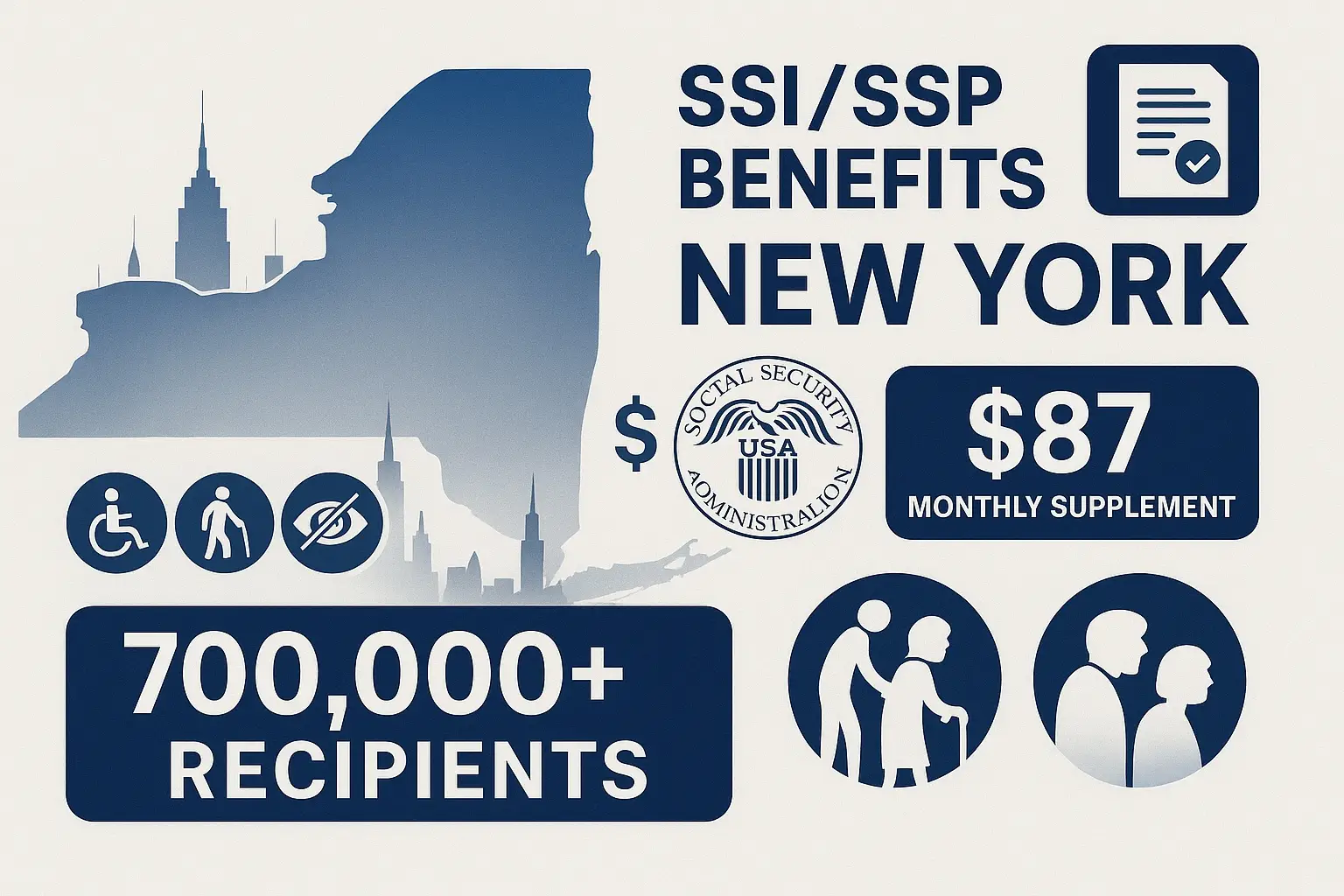
- State Supplemental Payments: Several states add money to the federal SSI payment through their state program. Some states include this supplement in the same monthly check, while others send a separate fee. These supplements help with the cost of living, especially in states with higher expenses.
How to Stay Eligible for SSI
Once you begin receiving Supplemental Security Income (SSI), you must continue to meet all eligibility requirements. The Social Security Administration (SSA) requires recipients to report specific changes that could affect their benefits.
Examples include:
- Changes in income or resources: New employment, higher wages, or a significant deposit in your bank account.
- Changes in living arrangements: Moving in with someone, getting married, or changing your permanent residence.
- Medical or disability changes: SSA may review your case if your condition improves.
Failing to report changes promptly can result in overpayments, which you may be required to pay back.
Understanding Supplemental Security Income (SSI) is key to getting the financial help you may qualify for. This program offers essential income support to individuals who are 65 or older, blind, or living with a qualifying disability. Knowing the eligibility rules, payment amounts, and application process can prevent missed opportunities and delayed payments. If you believe you qualify, take the next step today. The sooner you apply, the sooner you can begin receiving monthly support.