Every year, more than 9 million disabled individuals receive Social Security disability benefits through the Social Security Administration (SSA). Yet thousands miss out on payments they’re entitled to—simply because they don’t understand the difference between SSI vs SSDI or delay filing their claim. Confusion can lead to denied applications, painfully slow approvals, and months without the financial assistance you need.
Supplemental Security Income (SSI) and Social Security Disability Insurance (SSDI) are programs designed to provide disability benefits. Still, they have very different eligibility requirements, funding sources, and payment structures. Choosing the right program matters. Filing for the wrong one or missing required documentation can cost you hundreds of dollars each month and delay your access to health care coverage like Medicare or Medicaid.
This guide will explain SSI and SSDI clearly, compare eligibility criteria, outline benefit amounts, and show how to avoid costly mistakes during the application process. Whether you have limited income and resources or a qualifying work history, understanding these programs is the first step toward financial stability. Don’t risk missing out—the sooner you apply, the sooner you can receive the support you deserve.
What Are SSI and SSDI?
Understanding the two main disability programs administered by the Social Security Administration is the first step toward getting the benefits you deserve. Both programs pay benefits to people with qualifying disabilities, but they operate under very different rules and funding sources.
Understanding Supplemental Security Income (SSI)
Supplemental Security Income (SSI) is a needs-based program funded by general tax revenues, not Social Security taxes. It is designed to provide financial assistance to individuals who are aged (65 or older), blind, or disabled and have limited income and resources.
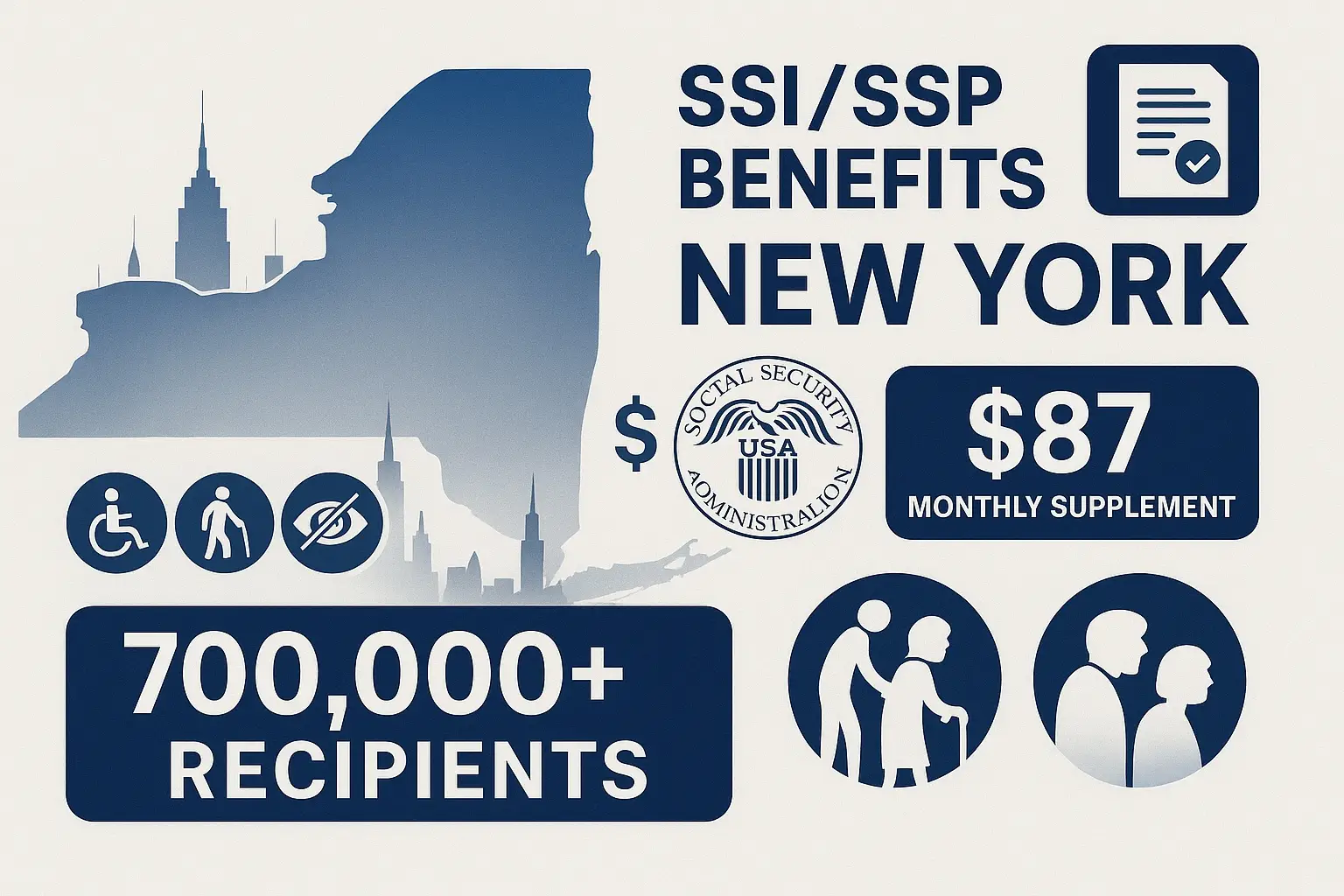
SSI helps cover basic living expenses such as food, shelter, and clothing. In 2024, the federal benefit rate is $943 monthly for an individual and $1,415 for a couple. Some states provide additional payments on top of the federal rate. Because SSI is based on financial need, countable income and resources (like cash, mutual funds, and savings bonds) must fall below strict limits to qualify.
Understanding Social Security Disability Insurance (SSDI)
Social Security Disability Insurance (SSDI) is a program funded by Social Security taxes (FICA) paid by workers, employers, and self-employed individuals. Unlike SSI, SSDI eligibility depends on your qualifying work history and whether you have a medical condition that meets Social Security’s strict definition of disability. SSDI pays benefits based on your lifetime earnings. Certain family members—including spouses, children, or surviving divorced spouses—may also be eligible for benefits. SSDI recipients usually become eligible for Medicare after a 24-month waiting period.
Key Differences Between SSI and SSDI
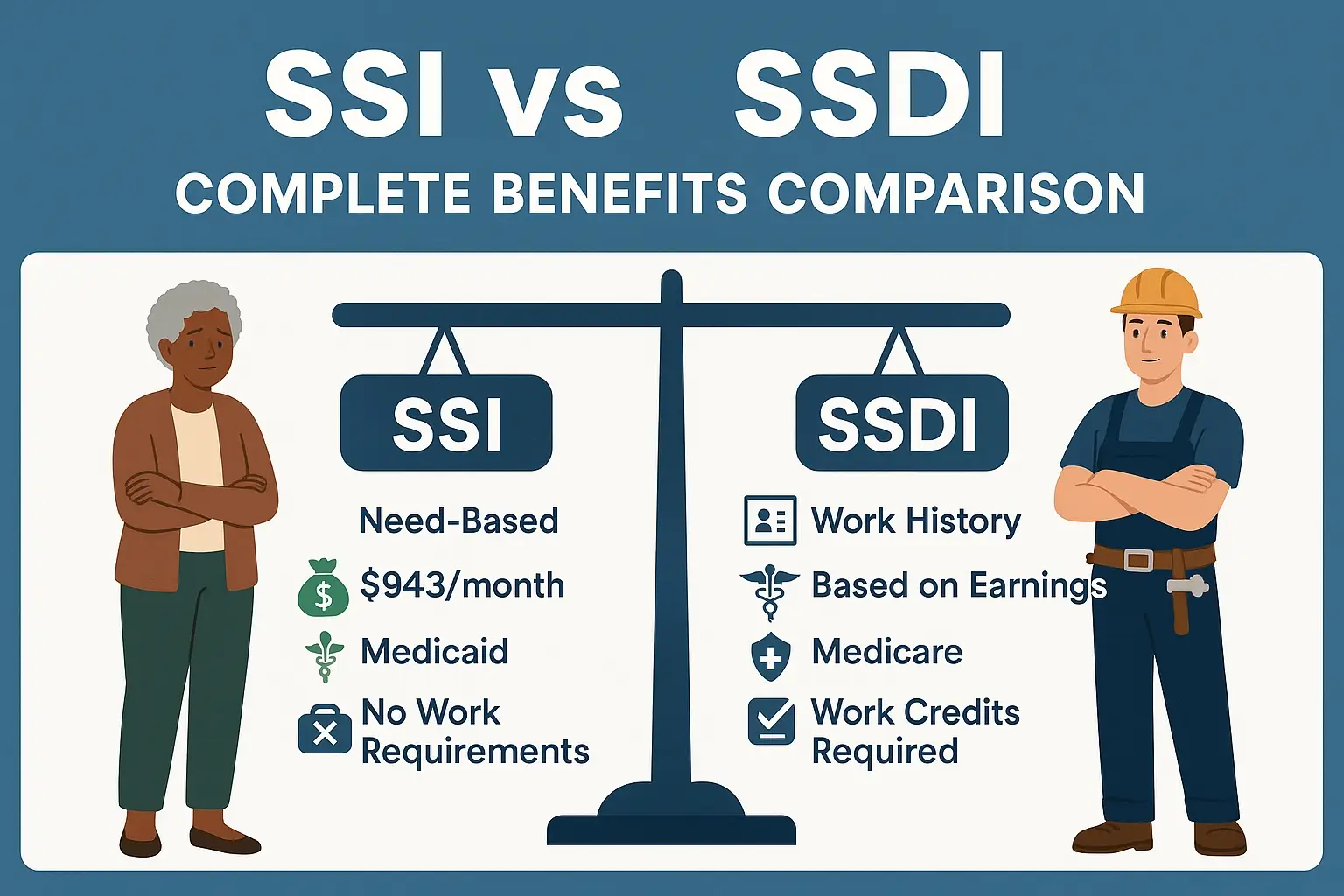
While both SSI and SSDI provide crucial disability benefits, they serve different groups and have separate qualification rules. Understanding these differences can save you months of waiting, prevent unnecessary denials, and ensure you receive the correct monthly benefits. Choosing the wrong program or missing a key eligibility requirement is one of the most common reasons claims are delayed. Below is a simple side-by-side comparison to help you see where you fit.
Comparison Table: SSI vs SSDI
Knowing which program applies to you can prevent lost benefits and speed up the process. If you’re unsure whether you qualify for SSI, SSDI, or both, speaking with an expert can help you avoid costly errors and get the financial assistance you need sooner.
SSI Eligibility Requirements
Qualifying for Supplemental Security Income (SSI) depends on strict financial and non-financial criteria that the Social Security Administration (SSA) sets. Because SSI is a needs-based program, you must show that you have limited income and resources while also meeting disability or age requirements.
Basic SSI Requirements
To receive SSI benefits, you must:
- Be disabled, blind, or age 65 or older: Your medical condition must prevent you from performing substantial gainful activity (SGA) and be expected to last at least 12 months or result in death.
- Meet income limits: Countable income includes wages, other disability benefits, and interest from a bank account, mutual funds, or savings bonds. If your income exceeds SSI limits, you may not qualify.
- Meet resource limits: Cash, investments, and property (other than your primary home) cannot exceed $2,000 for an individual or $3,000 for a couple.
- Reside in the United States and be a U.S. citizen or qualified non-citizen.
Meeting these eligibility requirements ensures SSI goes to those with the greatest need. Filing accurately is essential—reporting errors or unlisted income can delay approval or reduce monthly benefits.
SSDI Eligibility Requirements
Unlike SSI, Social Security Disability Insurance (SSDI) is based on your work history and the Social Security taxes you have paid into the system. To qualify, you must meet the disability requirements defined by the Social Security Administration (SSA) and have earned enough work credits from jobs covered by Social Security.
Basic SSDI Requirements
- Qualifying Disability: Your medical condition must prevent you from performing substantial gainful activity (SGA) and be expected to last at least 12 months or result in death. Temporary or partial disability does not qualify.
- Work Credits: Most workers need 40 credits, with 20 earned in the 10 years before becoming disabled. Younger disabled individuals may qualify with fewer credits.
- Recent Work Test: You must have worked recently enough under jobs covered by Social Security to remain insured for benefits.
- Waiting Period: SSDI has a five-month waiting period before monthly benefits start, though retroactive payments may be available if you were disabled before your application date.
Meeting these SSDI eligibility requirements ensures you can access health care coverage through Medicare (after a 24-month waiting period). It may also allow family members, such as a spouse or surviving divorced spouse, to receive benefits.
Application Process for SSI and SSDI
Filing a complete and accurate application is critical to avoid delays and missed payments. The Social Security Administration (SSA) offers multiple ways to start your claim, but you must provide detailed information to prove your eligibility.
Where to Apply
You can apply online through SSA.gov, call the SSA at 1-800-772-1213 (TTY: 1-800-325-0778), or visit your local Social Security office to file in person. Applying online is usually faster and helps avoid the painfully slow paper process.
Required Documentation
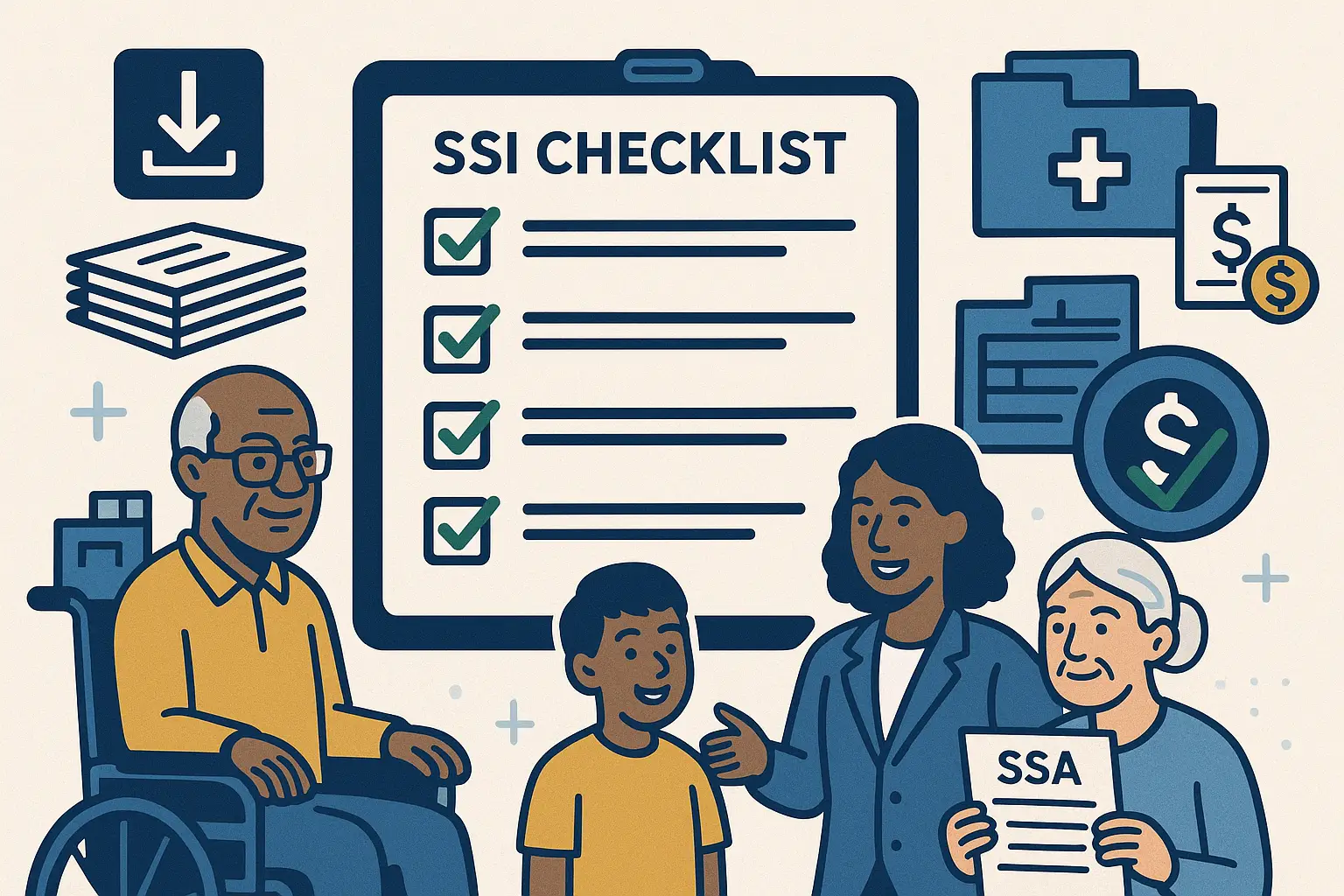
For SSI, you must provide proof of income, resources (such as your bank account, mutual funds, or savings bonds), and living arrangements. For SSDI, you’ll need work history, medical condition records, and tax documents such as W-2s or self-employment returns. Providing complete information upfront helps prevent costly errors and denials.
Timelines and What to Expect
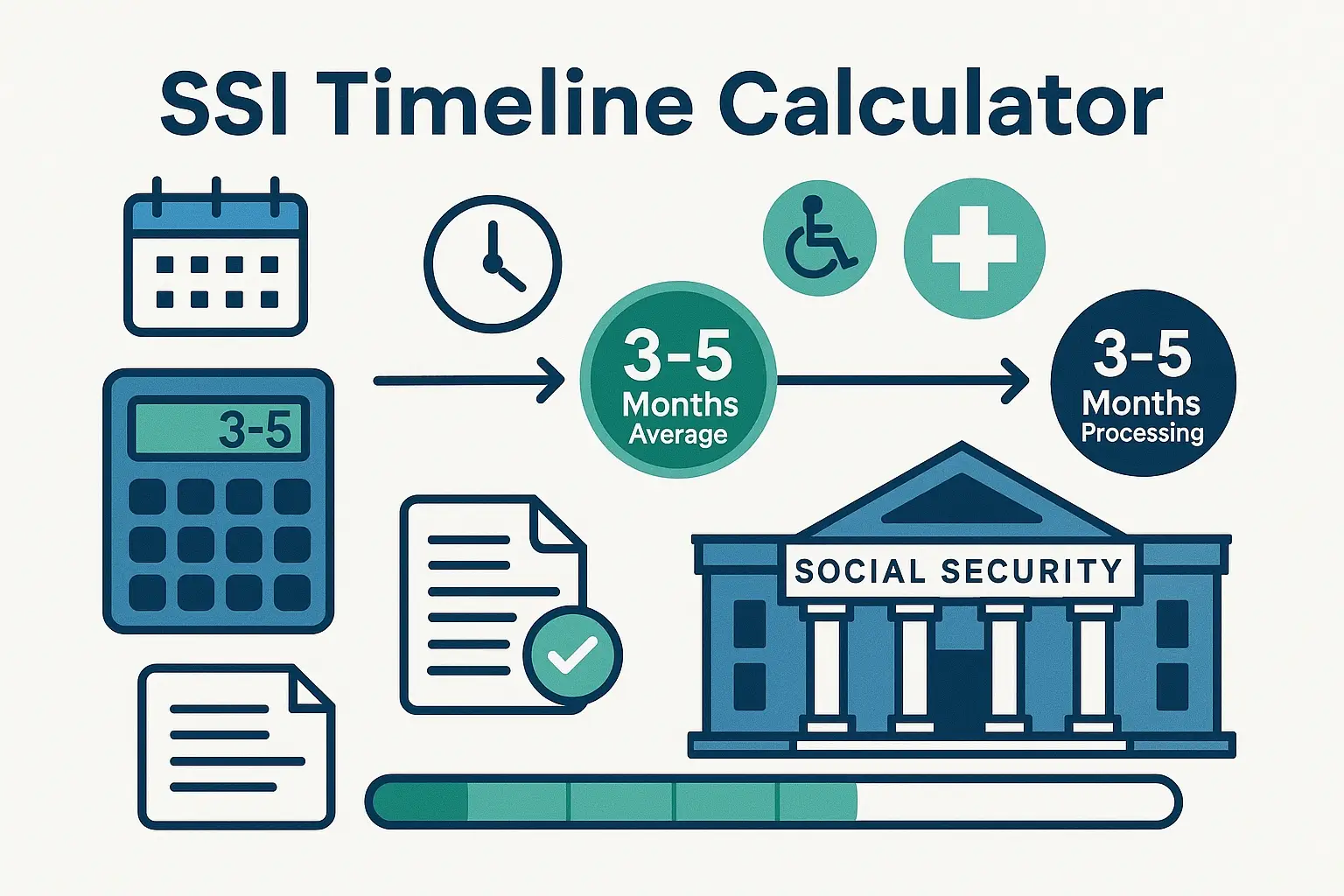
The initial application decision typically takes 3–6 months, depending on how quickly the SSA can collect your medical records. If approved, SSDI may provide retroactive payments from your disability onset date, while SSI payments start the month after approval. Delays or missing documents can push your claim back by months—so filing early and accurately is essential to get the time benefits you deserve.
Benefit Amounts for SSI vs SSDI
The monthly amount you receive depends on whether you qualify for Supplemental Security Income (SSI) or Social Security Disability Insurance (SSDI). Understanding these amounts helps you plan your budget and avoid surprises.
Comparison Table: Monthly Benefits
Key Considerations
- SSI benefits are fixed and strictly tied to the federal benefit rate, making accurate income reporting essential to avoid overpayment or benefit reduction.
- SSDI monthly benefits vary based on your work history and average indexed monthly earnings (AIME). The more you pay in Social Security taxes, the higher your benefit may be.
- Both programs are reviewed periodically to confirm continued eligibility, especially if your other income or medical condition changes.
Can You Receive Both SSI and SSDI?
Yes—receiving SSI and SSDI benefits simultaneously through what the Social Security Administration (SSA) calls concurrent benefits is possible. This situation usually applies when your SSDI monthly benefits are too low to cover basic needs and keep you above the SSI income threshold. When you receive both, your SSI payment is reduced by the amount of your SSDI benefit, but your monthly income increases. For example, if your SSDI check is $500, SSI may cover the difference up to the federal benefit rate. Applying for both programs can be helpful for individuals with limited income and resources, as it provides access to Medicaid (through SSI) and Medicare (through SSDI after the 24-month waiting period). Filing early helps ensure you get the maximum financial assistance available.
Appeals Process if Denied
If your SSI or SSDI application is denied, you still have options—but you must act quickly. The Social Security Administration (SSA) allows you to file an appeal within 60 days of receiving your denial notice. Missing this deadline could mean starting your application from scratch, delaying your monthly benefits even further.
Four Levels of Appeal
- Reconsideration: A different SSA reviewer re-examines your case.
- Hearing: If denied again, you can request a hearing with an administrative law judge.
- Appeals Council: Reviews the judge’s decision if you still disagree.
- Federal Court: Final level of appeal, handled through the U.S. District Court.
Filing an appeal with complete, updated medical condition documentation can significantly improve your chances of approval and help secure your financial assistance faster.
Other Disability-Related Benefits
In addition to SSI and SSDI, you may be eligible for other programs to boost your financial security and provide additional health care coverage.
- Medicare and Medicaid: SSI recipients often automatically qualify for Medicaid, while SSDI recipients become eligible for Medicare after 24 months of receiving benefits.
- Workers’ Compensation: If you receive workers’ compensation, your social security disability benefits may be reduced so that your combined payments don’t exceed 80% of your previous income.
- Veterans Benefits: Veterans with qualifying disabilities may collect VA benefits and SSDI or SSI if they meet the rules of both programs.
- Retirement Benefits: Reaching full retirement age will automatically convert SSDI to regular retirement benefits without reducing your monthly amount.
These programs can work together to provide a safety net. Coordinating them properly helps you maximize your benefits while avoiding overpayments.
Understanding the difference between SSI and SSDI is essential to getting the right disability benefits without unnecessary delays. Whether you qualify for Supplemental Security Income (SSI) based on limited income and resources or for Social Security Disability Insurance (SSDI) through your work history, early action can protect your income and provide access to crucial health care coverage. Filing accurately, on time, and with complete documentation can help you avoid missed payments and secure the financial assistance you deserve. Now is the time to confirm your eligibility and take the next step.