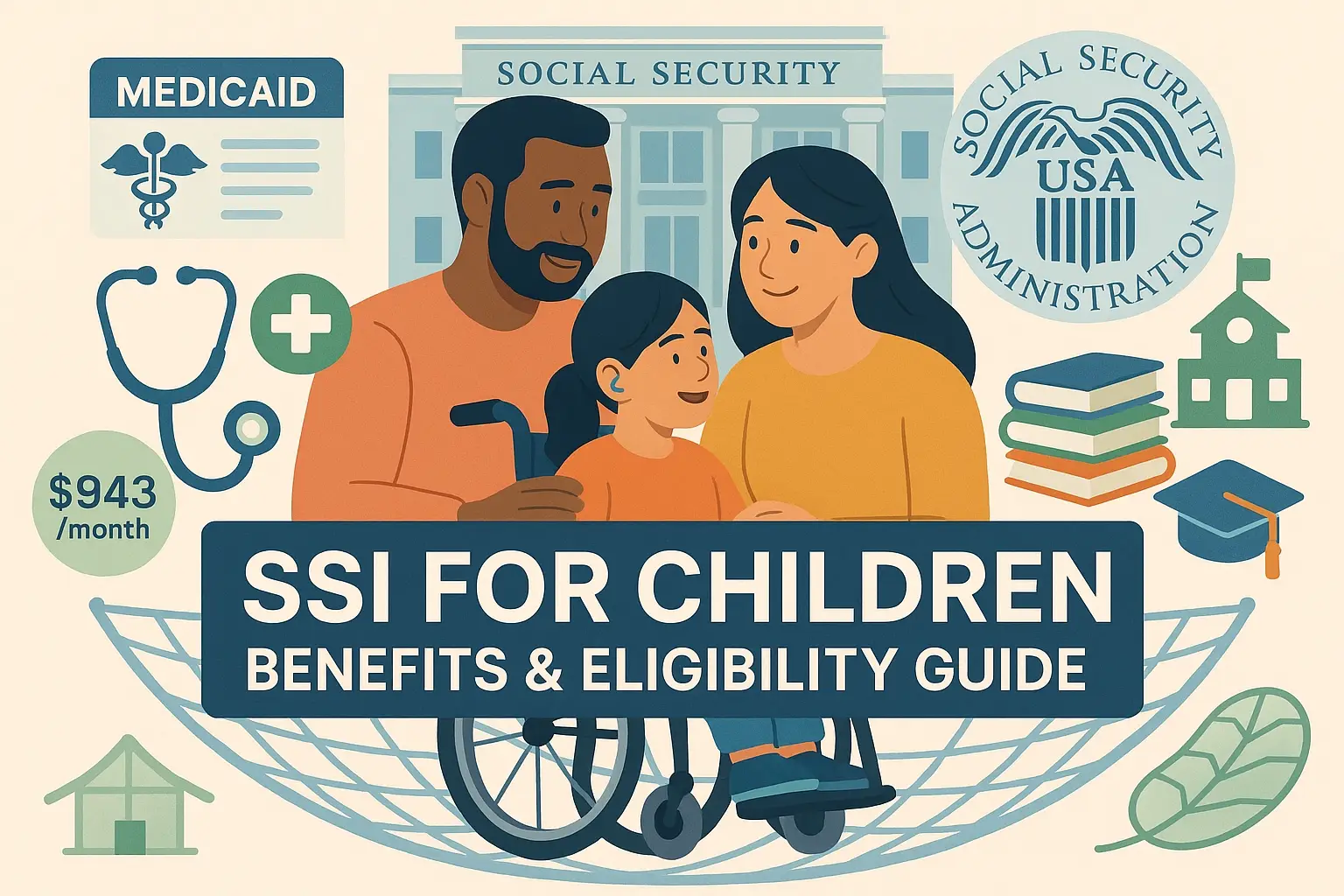
Nearly 1.2 million children in the United States receive Supplemental Security Income (SSI), according to the Social Security Administration (SSA). Yet thousands of families who may be eligible never apply—or face lengthy delays—simply because of incomplete forms, missing documentation, or filing mistakes. These errors can cost months of missed payments and delay access to crucial medical care and other benefits. SSI for children is a federal program that provides monthly financial assistance to families with children who have qualifying disabilities and limited income or resources.
This support helps cover basic needs like food, housing, and clothing while opening the door to health insurance coverage through Medicaid. However, the process can feel overwhelming, especially if you are trying to understand the eligibility rules while managing your child’s care. Acting quickly and filing correctly is essential. The sooner you apply, the sooner your child can begin receiving benefits—and retroactive payments are based on the date of application, not the date of approval. Filing errors or waiting too long could mean lost payments, delayed healthcare, and unnecessary stress on your family’s finances.
This guide explains SSI for children in clear, practical terms. You’ll learn who qualifies, how much you may receive, what documents you need, and what happens after approval. Most importantly, we’ll show you how to avoid common mistakes and take control of the process so your child gets the support they deserve as quickly as possible.
What Is SSI for Children?
Supplemental Security Income (SSI) is a federal program that provides monthly cash payments to help families meet the basic needs of children with disabilities. Unlike Social Security Disability Insurance (SSDI), which is based on work history and Social Security taxes, SSI is funded through general tax revenues and does not require a parent or child to have a work record. The SSI program is designed for children under 18 who have a qualifying physical or mental impairment that causes marked and severe functional limitations and meets the Social Security Administration’s (SSA) strict disability criteria. These benefits can make a real difference for families by helping cover costs for food, housing, clothing, and other essentials and connecting children to health insurance through Medicaid.
SSI benefits are also available to children living in various situations: with natural or adoptive parents, stepparents, or other family members in the same household. The SSA uses a process called “deeming” to count a portion of parents’ income and resources when determining whether the child is eligible. In short, SSI for children provides a financial lifeline for families facing the challenges of raising a child with a disability, ensuring they have access to both income support and vital medical care.
SSI Eligibility Requirements for Children
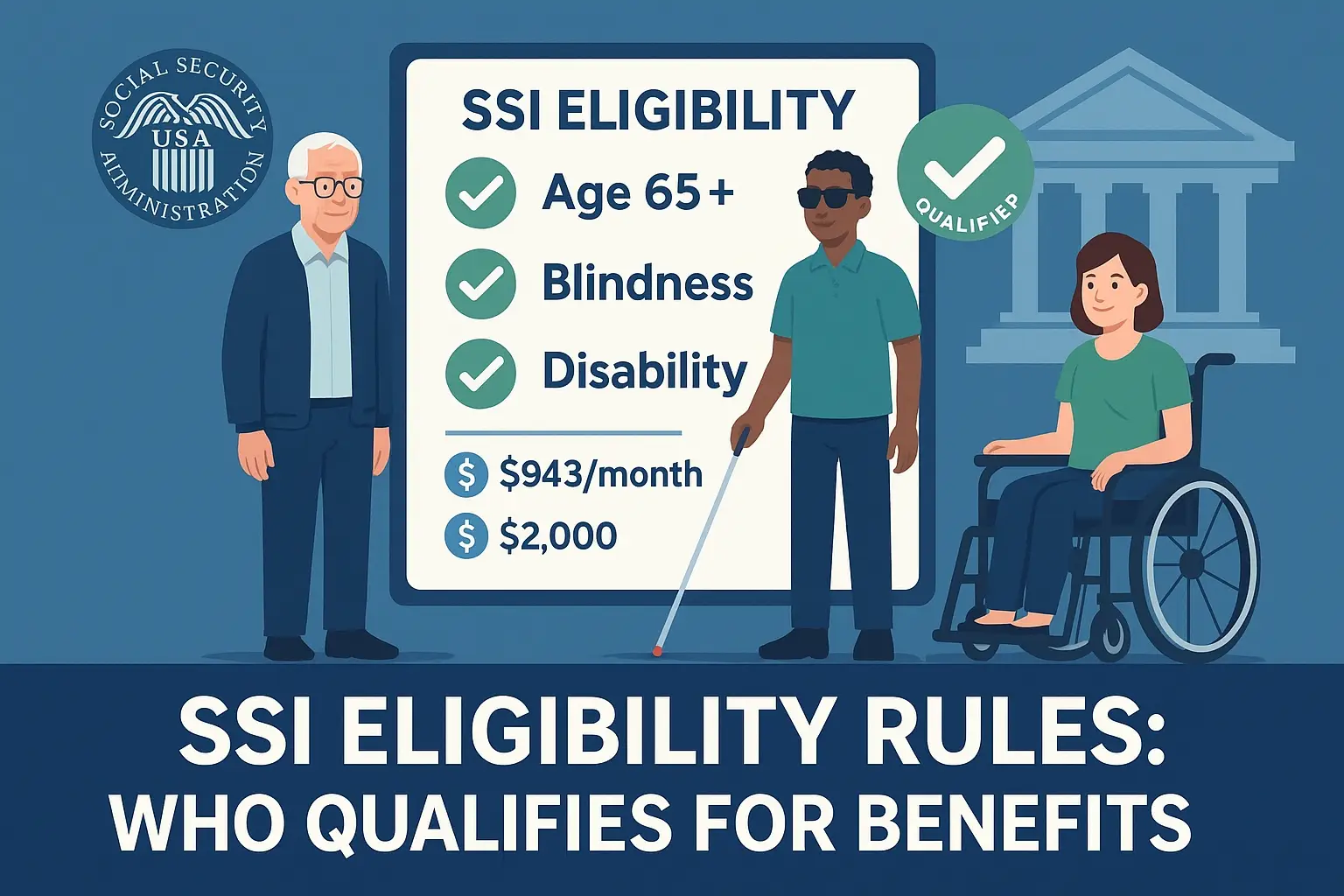
The Social Security Administration (SSA) uses three main factors to determine whether a child is eligible for SSI benefits: age, disability status, and financial need. Families must meet all three criteria for a child to qualify for monthly payments.
Age Requirements and School Attendance
To qualify for SSI, a child must generally be under the age of 18. However, if the child regularly attends school, eligibility may continue until age 22. The SSA defines a regularly attending student as someone enrolled in grade school, high school, college, or vocational training at least 12 hours per week. This provision ensures that older teens and young adults with disabilities can continue receiving support while finishing their education.
Disability Determination Criteria
A child must have a physical or mental impairment that results in marked and severe functional limitations. The condition must have lasted or be expected to last for at least 12 consecutive months or be expected to result in death. The SSA uses its Listing of Impairments—sometimes called the Blue Book—to evaluate whether a child’s condition meets or equals a listed disability. If it does not precisely match a listing, SSA will still consider the overall impact of the condition on the child’s ability to function compared to other children of the same age. Medical records, school records, and reports from treating physicians are critical in this determination.
SSI Income and Resource Limits
In addition to disability criteria, a child must meet strict financial rules. The SSA reviews the child’s and the parents’ income and resources through a process called deeming.
Table 1: 2024 SSI Income & Resource Limits
SSA also considers living arrangements, marital status, and whether there are other children in the home. Specific resources, like the family’s primary home, may be excluded. If countable income or resources exceed the limit, the child may not be eligible for SSI.
SSI Application Process for Children
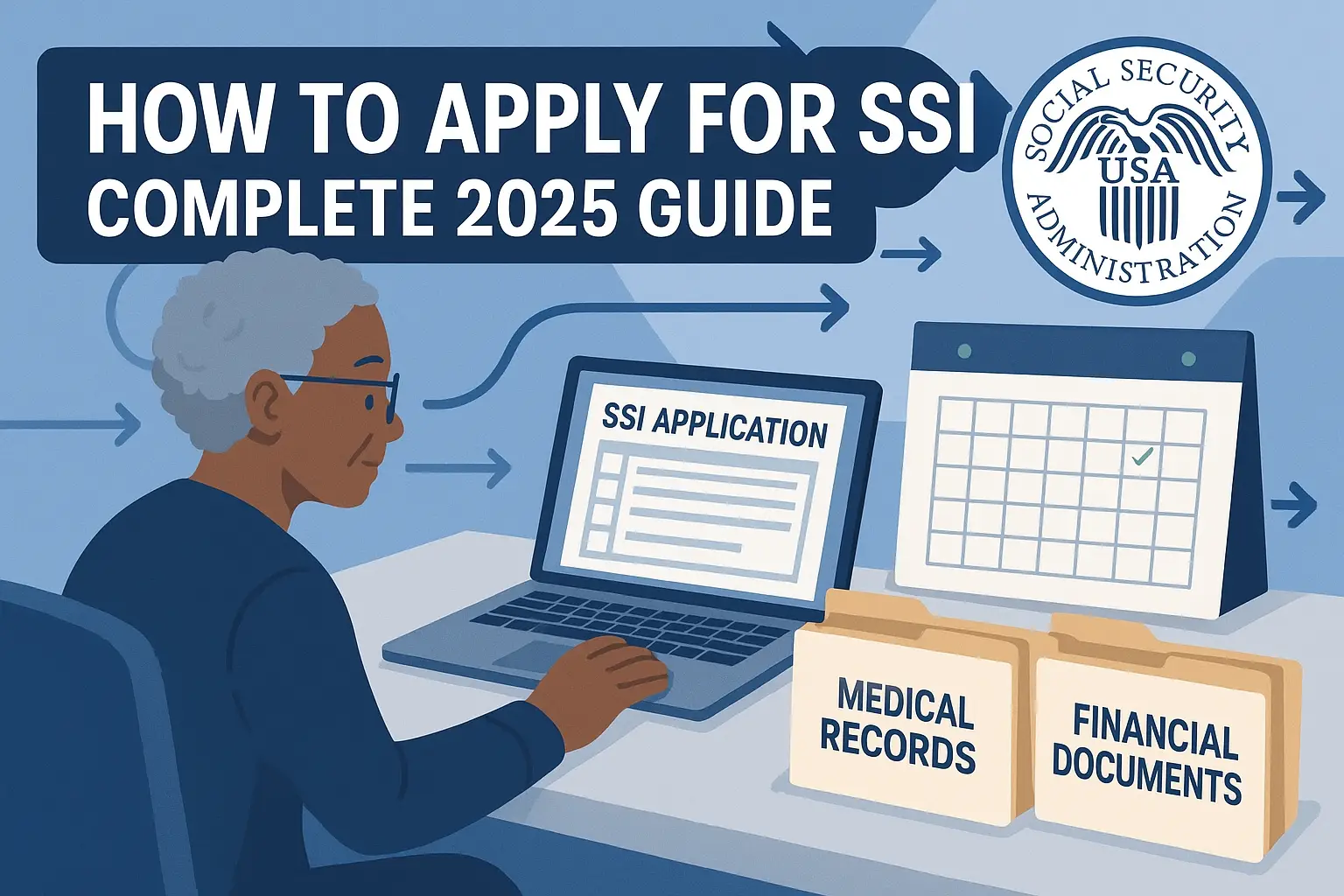
Filing for SSI for children may seem complicated, but understanding the steps can prevent costly mistakes and reduce delays. Every day you wait to file could mean lost retroactive payments, since SSI benefits begin from the date of application—not the date of approval.
Step-by-Step Application Process
- Contact the Social Security Administration: Call 1-800-772-1213 or visit your local Social Security office to schedule an appointment.
- Complete the Forms: Fill out the SSI application (Form SSA-8000) and the Child Disability Report (Form SSA-3820). You can complete most of these online or with help from an SSA representative.
- Gather Required Documents: Collect your child’s birth certificate, Social Security cards, and medical records.
- Submit Your Application: You can file online, by phone, or in person. Be thorough—missing information can delay a decision for months.
- Cooperate with Disability Determination: SSA may request additional records or schedule a medical exam. Respond promptly to avoid processing delays.
- Receive a Decision: SSA will mail a written notice of approval or denial, typically within 3–6 months.
Required Documentation for SSI
To avoid unnecessary denials, prepare these documents before applying:
- Child’s birth certificate and proof of citizenship
- Medical records from doctors, hospitals, therapists, and clinics
- School records, including IEPs or special education reports
- Proof of income and resources for all family members
- Details of living arrangements (rent receipts, mortgage statements)
- Information about natural or adoptive parents, marital status, and other children in the same household
Submitting a complete file from the start can shorten processing time and help you receive SSI payments as quickly as possible.
SSI Benefits and Payments
Understanding how much your child may receive—and how those payments are delivered—helps you plan your family’s finances and avoid surprises. SSI benefits can provide crucial support, but errors in reporting income or misusing the funds can lead to overpayments and penalties.
Monthly Benefit Amounts
For 2024, the federal SSI payment for an eligible child is up to $943 monthly. This amount may be higher if your state provides a state supplement or lower if your household has countable income. When calculating payments, SSA considers both earned income (like wages) and unearned income (like child support).
Your child’s monthly benefit may also be reduced if you receive in-kind support—for example, if someone else pays for housing or food. This is why it is so important to report all sources of support. Missing or underreporting income could cause overpayments, which SSA will require you to repay later.
SSI Payment Schedule and Method
SSI payments are issued on the first day of each month (or the prior business day if it falls on a weekend or holiday). Payments are sent electronically, either by direct deposit into a separate account at a financial institution or to an SSA-approved Direct Express® debit card. If your child receives more than six months of past-due benefits, SSA requires that the money be placed in a dedicated account.
This account can only be used for certain expenses such as education, medical care, and other costs directly related to the child’s disability. Keeping payments separate helps you stay in compliance and avoid penalties.
Medicaid and Additional Benefits for Children
One of the most valuable parts of qualifying for SSI for children is the automatic access to Medicaid health insurance in most states. Medicaid covers essential services for children, including doctor visits, hospital care, prescriptions, therapies, and even dental care. This coverage can save families thousands of dollars annually and ensure children receive consistent medical treatment.
In some states, families may also qualify for additional benefits such as:
- State Supplemental Payments: Extra cash payments that boost the federal SSI amount.
- SNAP (Supplemental Nutrition Assistance Program): Helps families buy groceries monthly.
- TANF (Temporary Assistance for Needy Families): State cash assistance for low-income households.
- WIC (Special Supplemental Nutrition Program for Women, Infants, and Children): Nutrition support for children under age 5.
- LIHEAP (Low Income Home Energy Assistance Program): Help with heating and cooling costs.
- State Home Care Plans: Additional services for children with severe medical needs who require in-home care.
These programs can significantly ease the financial burden of raising a child with a disability. Filing for SSI is the first step to unlocking these supports and ensuring your child’s medical and nutritional needs are fully covered.
Ongoing SSI Requirements After Approval
Receiving SSI benefits for your child is only the first step. Families must follow SSA's ongoing requirements to keep payments coming and avoid overpayments or penalties.
Continuing Disability Reviews
The Social Security Administration conducts Continuing Disability Reviews (CDRs) to confirm that a child still meets the medical criteria for SSI. The frequency of these reviews depends on the likelihood of improvement: some children are reviewed every three years, while others may be reviewed sooner. Failing to respond to SSA requests during a review can result in suspension or termination of benefits.
Reporting Responsibilities
Parents or representative payees must report changes within 10 days, including the following:
- Income or resource changes for the child or parents
- Living situation changes (moving, new roommates, change in rent)
- School attendance changes if the child regularly attends school.
- Any improvement in the child’s condition
Timely reporting prevents overpayments and ensures the monthly benefit amount is accurate.
Age-18 Redetermination
When a child turns 18, SSA performs an age-18 redetermination using adult disability criteria. Only the individual’s income and resources are considered at this stage, not the parents’. This review can result in benefits continuing, changing, or ending, depending on whether the adult child meets SSI rules.
SSI vs. SSDI for Children
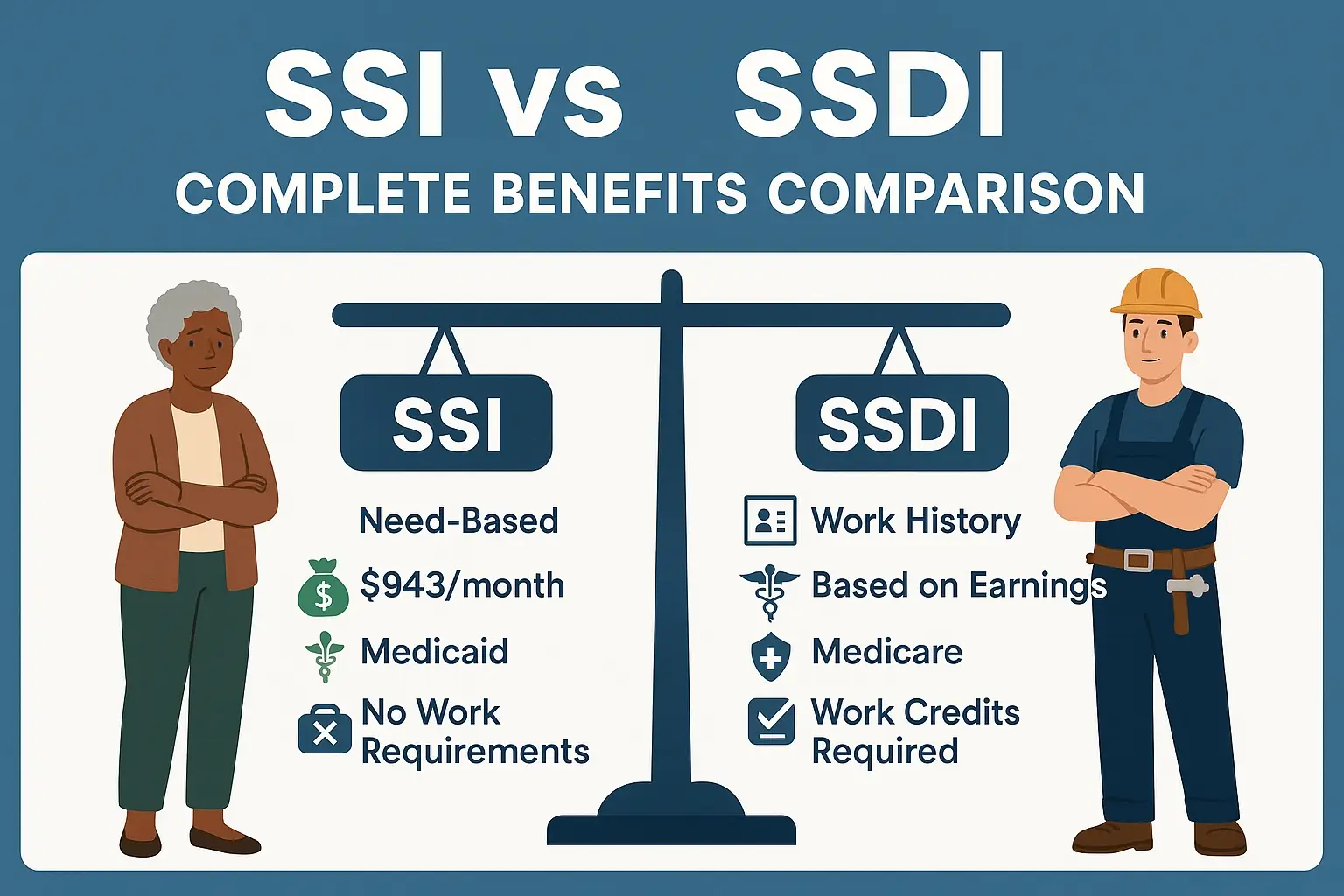
Parents often confuse Supplemental Security Income (SSI) with Social Security Disability Insurance (SSDI), but the two programs have very different eligibility rules. SSI is strictly needs-based, while SSDI is tied to work history and Social Security taxes. Understanding the difference helps you apply for the right program and avoid unnecessary delays.
Table 2: Key Differences Between SSI and SSDI for Children
In most cases, SSI is the correct program for children with disabilities in low-income families, while SSDI is used when a parent has a qualifying work record.