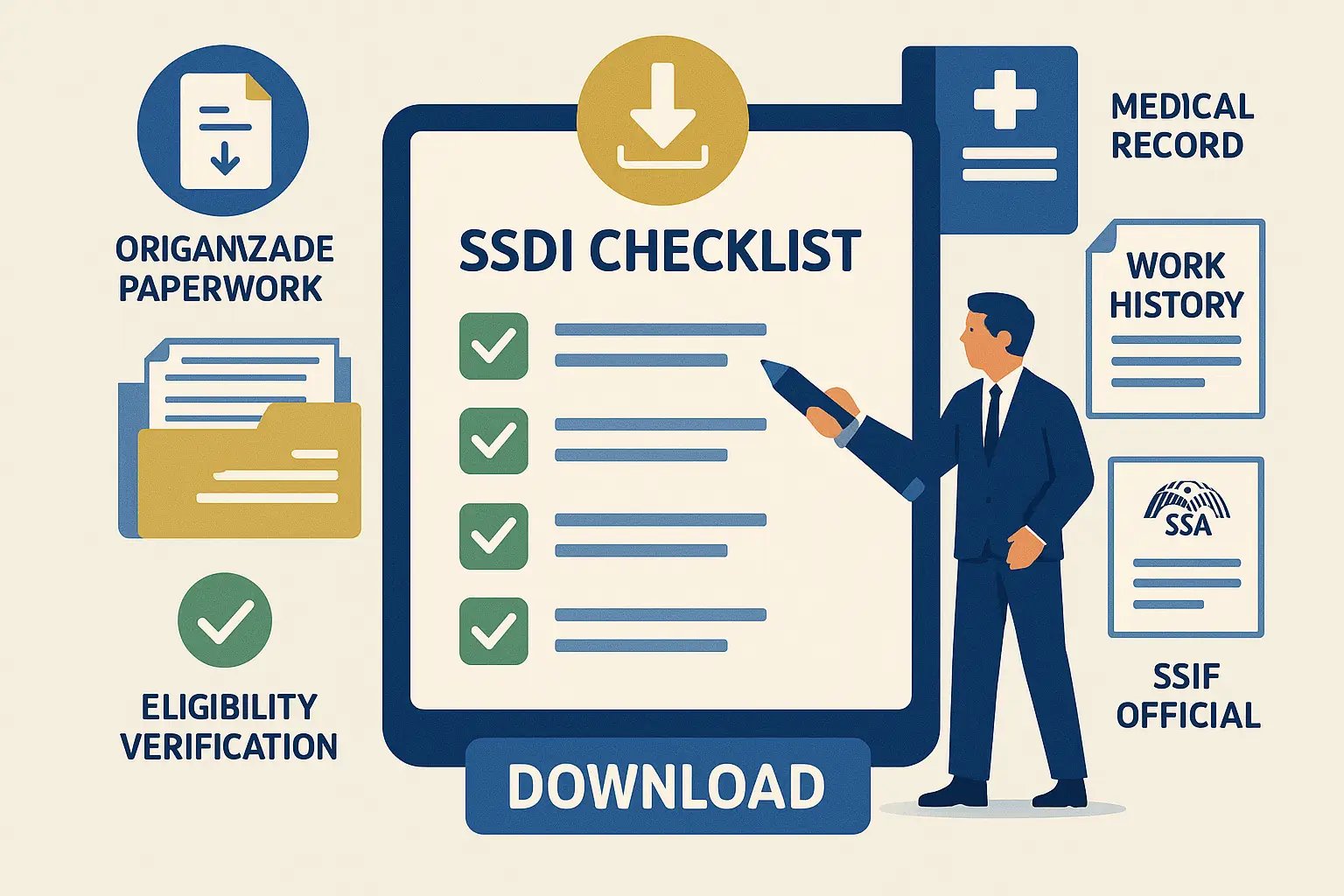
Applying for Social Security Disability Insurance (SSDI) can be an overwhelming journey for people already coping with severe medical conditions. Managing symptoms, attending medical appointments, and navigating financial pressures while completing complex forms can add significant emotional and physical stress. Many applicants struggle to understand documentation requirements or the SSA’s strict evaluation process. This uncertainty often leads to frustration and delays in receiving the disability benefits to which they are entitled.
This guide explains how hiring a disability lawyer can make the SSDI process smoother and more successful. It helps readers understand how a lawyer supports each step—from gathering medical evidence to handling appeals for denied claims. Representation can relieve pressure by managing paperwork, deadlines, and communication with the SSA. A skilled lawyer also helps protect financial stability while ensuring no significant detail is overlooked.
All information in this guide is sourced directly from official SSA sources to ensure complete accuracy and reliability. Readers can trust that every fact, guideline, and recommendation follows current federal standards. This ensures applicants receive dependable advice, not speculation or outdated procedures. Understanding these verified steps gives applicants the confidence to approach their SSDI claim strategically and efficiently.
SSDI Eligibility Requirements for a Disability Claim
Understanding the eligibility requirements for Social Security Disability Insurance (SSDI) is crucial for developing a strong case and securing the benefits you are entitled to. Below is a detailed explanation presented in bullet form, complete with sentences and focused subheadlines that naturally incorporate your target keywords.
- Work Credits and Employment History: Eligibility for SSDI benefits depends on the number of work credits earned through covered employment as defined by the Social Security Administration. Each year, workers can earn up to four credits based on their income. These credits confirm that you contributed to Social Security through taxes and are therefore insured for disability coverage. A consistent work history strengthens your eligibility for a successful claim.
- Definition of a Qualifying Disability Claim: The SSA’s definition of a social security disability claim is strict and requires that your medical condition prevents substantial gainful activity. To qualify, the disability must last or be expected to last at least twelve months or result in death. This rule ensures that Social Security Disability Insurance supports only those with long-term impairments. A disability lawyer can evaluate your situation and help determine if you meet the Social Security disability criteria.
- No Coverage for Partial or Temporary Disabilities: SSDI does not cover short-term or partial disabilities, regardless of how significantly they disrupt daily life. The Social Security Administration focuses on applicants whose conditions significantly impact their ability to maintain employment. If your condition allows you to work in a limited capacity, you may not qualify under SSDI rules. A free consultation with a social security disability lawyer can clarify whether your case fits the SSA’s strict guidelines.
- Importance of Medical Evidence and Consistent Records: Accurate medical evidence and detailed medical records are critical for approval during the application process. In social security disability cases, insufficient medical evidence is among the common reasons for a denied claim. Applicants should work closely with doctors to maintain updated records of treatment, tests, and functional limitations. With the guidance of an experienced disability attorney, you can present organized documentation that supports a successful outcome.
Understanding these requirements early helps applicants prepare stronger social security disability claims. Proper documentation, legal representation, and persistence through the appeals process can make all the difference between a denied and an approved case.
The SSDI Application Process: When Applying for Disability Benefits
Understanding how to navigate the SSDI application process is essential for anyone applying for disability benefits through the Social Security Administration (SSA). This section outlines the practical steps involved, the necessary documents, and how professional guidance can streamline and enhance the process.
Starting Your Application
You can start applying for disability benefits online at SSA.gov, by phone, or by visiting your local Social Security office. The online process allows applicants to complete forms at their own pace while receiving built-in guidance from the SSA’s system. Those with limited internet access can call SSA’s toll-free number to schedule a phone or in-person interview. Choosing the method that best suits your circumstances helps prevent errors and ensures your Social Security disability claim begins correctly.
Preparing Required Documents
Before you apply, gather critical records to support your disability claim. These include detailed medical reports, employment and work history, and documentation of your income. The SSA uses these materials to verify that you meet both medical and financial eligibility standards. Well-organized and complete documentation increases your chances of a successful claim and reduces processing delays.
How DDS Reviews Your Application
Once you submit your application, the SSA forwards it to Disability Determination Services (DDS) for evaluation. DDS examiners review your medical evidence and may contact your doctors for clarification. They can also request additional exams if your medical records are incomplete or inconsistent. This review ensures that your condition meets the SSA’s strict definition of disability and qualifies for SSDI benefits.
How a Disability Lawyer Can Help
Experienced disability attorneys or social security disability lawyers can assist with gathering evidence and organizing your submission. They ensure that all strict deadlines are met and that every required form is completed accurately and properly. Professional representation can strengthen your case by highlighting key medical details and addressing potential weaknesses before review. Many offer a free consultation, allowing you to evaluate whether hiring one is the right choice for your situation.
Applying for SSDI involves multiple stages and careful attention to detail. With the right preparation, complete documentation, and—when needed—the support of a knowledgeable disability lawyer, you can improve your chances of achieving a successful outcome and securing the benefits you deserve.
Common Reasons for a Denied Claim
Filing for Social Security Disability Insurance (SSDI) can be discouraging when a claim gets denied, but understanding the common reasons for a denied claim helps applicants prepare stronger cases. Below is a clear explanation of these issues and how proper support can help resolve them effectively.
- Missing or Insufficient Medical Documentation: The Social Security Administration often denies applications that lack complete medical evidence supporting a disabling condition. Without detailed medical records, exam results, or consistent treatment notes, SSA examiners cannot confirm the severity of the impairment. Many applicants underestimate the importance of medical documentation in support of a Social Security disability claim. Building a well-documented case with the assistance of a disability lawyer can significantly increase the chances of approval.
- Not Meeting Work Credit or Income Requirements: Eligibility for SSDI benefits depends on having earned enough work credits through covered employment. Applicants who have not worked recently or for a sufficient period under Social Security rules may be denied. Similarly, exceeding income thresholds can disqualify an applicant from receiving Social Security disability benefits. A disability attorney can review your work history and explain whether you qualify before filing your claim.
- Earning Above the Substantial Gainful Activity (SGA) Limit: If your earnings exceed the SSA’s Substantial Gainful Activity (SGA) limit, your claim may be denied automatically. The agency assumes that applicants who earn above this threshold can still engage in significant work. Many people misunderstand this rule when applying for disability benefits and unintentionally report income that disqualifies them from benefits. Working with a social security disability lawyer helps clarify income documentation and avoid unnecessary denials.
- Administrative or Technical Application Errors: Simple mistakes in the application process, such as incomplete forms, missing signatures, or outdated contact details, can result in delays or denials. The SSA adheres to strict deadlines and requires accurate information throughout the submission process. Even qualified applicants can lose their claim due to avoidable administrative errors. Having a disability lawyer oversee your paperwork ensures compliance with every SSA requirement.
- Legal Support During the Appeals Process: If you receive a denied claim, you have the right to appeal through a multi-stage process that includes a hearing and possibly federal court review. Skilled disability lawyers help identify weaknesses, correct missing medical evidence, and present a stronger argument during an appeal. With professional assistance, many applicants turn an initial denial into a successful outcome.
Understanding the common reasons behind denials empowers applicants to prepare a comprehensive and compelling case for appeal. Whether it’s improving documentation, meeting eligibility rules, or managing the appeals process, working with an experienced disability lawyer can make all the difference in securing the benefits you deserve.
When You May Not Need a Disability Lawyer
There are situations where hiring a disability lawyer may not be necessary, especially if your Social Security Disability claim is well-supported and straightforward. Understanding these scenarios helps applicants determine when they can confidently manage the process independently and when professional assistance may not be necessary.
Meeting a Listed Medical Condition
If your disability clearly matches one of the Social Security Administration’s Blue Book listings, your eligibility is straightforward. The SSA already recognizes these conditions as severe enough to qualify for Social Security Disability benefits. This means that medical evidence automatically satisfies the SSA’s definition of disability without requiring additional legal arguments. In these cases, you can often move forward confidently without hiring a disability lawyer.
Complete and Consistent Documentation
Applicants with thorough medical records, detailed work history, and consistent treatment documentation may not need representation. The SSA values accuracy and consistency; complete evidence minimizes delays and confusion. When your paperwork fully supports your disability claim, it’s easier for examiners to process and approve it. Having everything organized makes the application process more efficient and predictable.
Confidence in Handling the Process
If you understand how to navigate SSA forms, deadlines, and correspondence, you can manage your claim independently. The SSA offers extensive online resources to guide you through each stage of the disability benefits application process. Applicants who are detail-oriented and comfortable with administrative tasks often succeed without professional help. Confidence and organization can replace the need for legal representation in straightforward cases.
Simple and Well-Documented Claims
You may not need a disability attorney if your claim is uncomplicated and your medical evidence clearly demonstrates your inability to work. Straightforward claims without complex conditions, conflicting opinions, or missing documents typically move smoothly through the SSA’s system. When both the medical evidence and employment history align perfectly with eligibility standards, a lawyer’s intervention may not change the outcome. In such cases, focusing on accuracy and consistency ensures a successful claim.
Knowing when you can manage your claim alone saves time and resources while preserving confidence in the process. However, if challenges arise—such as missing documents, unclear medical findings, or a denied claim—consulting a disability lawyer can make all the difference in protecting your rights and securing the benefits you deserve.
When You Should Hire a Disability Lawyer
Knowing when you should hire a disability lawyer can make a significant difference in achieving a successful outcome for your case. Below are specific circumstances where professional legal representation offers substantial advantages, enabling applicants to secure the benefits they deserve efficiently and confidently.
- After a Denied Claim: If your disability claim was denied, hiring a disability lawyer is a smart next step. The appeals process involves complex rules and strict deadlines that can be difficult to navigate independently. A skilled disability attorney can identify weaknesses in your medical evidence and correct errors that led to denial. Their guidance increases your chances of winning Social Security Disability benefits during reconsideration or appeal.
- Before or During an Administrative Hearing: You should hire a disability attorney when your case reaches a hearing before an Administrative Law Judge (ALJ), hearings require preparation, including answering a judge’s questions and presenting your medical records clearly. A lawyer knows how to represent you effectively and argue your case with strong documentation and legal reasoning. This level of expertise often determines whether you receive the benefits you deserve.
- For Complex Medical or Work Histories: Applicants with multiple conditions or inconsistent work histories should seek legal representation early. A Social Security Disability lawyer can help organize confusing documentation and coordinate statements from healthcare providers. Complex Social Security Disability cases often involve technical interpretations of SSA rules and medical findings. An experienced law firm can build a strong case that meets the SSA’s definition of disability.
- When Legal Representation Improves Approval Chances: Statistics show that disability lawyers significantly improve approval rates for Social Security Disability claims. Their knowledge of SSA regulations, gathering evidence, and precise case preparation help ensure compliance with all strict deadlines. Representation protects your financial stability, allowing you to focus on your health and recovery. A lawyer’s expertise can make all the difference between approval and another denial.
- Scheduling a Free Consultation: If you are uncertain about the strength of your claim, request a free consultation with qualified attorneys today. A consultation allows you to discuss your financial situation, medical history, and eligibility for SSDI benefits without upfront costs. Reputable disability lawyers only get paid when you win, giving them a strong incentive to secure a successful claim. This initial meeting helps you find the right lawyer who can assist and guide you through every stage of the application process.
Hiring a disability lawyer at the right time ensures your case receives the professional attention it deserves. Whether you are appealing a denied claim or preparing for a hearing, legal representation provides focus, structure, and the best chance at securing the Social Security benefits you’ve earned.
What Disability Lawyers Do During Your Claim
Understanding what disability lawyers do during the claim process helps applicants recognize the essential role they play in achieving a successful outcome. Disability lawyers perform specialized legal and administrative tasks that simplify the process and strengthen your Social Security Disability claim from start to finish.
Collecting and Organizing Medical and Work Records
A disability lawyer gathers, reviews, and organizes all relevant medical records and work history to create a complete picture of your case. They ensure that every document supports your Social Security Disability claim and matches the SSA’s medical criteria. By connecting treatment details with employment information, they demonstrate how your condition affects your ability to work. This organization builds the foundation for a strong case that can withstand review at every level.
Coordinating with Doctors and the SSA
Disability lawyers communicate directly with your healthcare providers and the Social Security Administration to verify and clarify your documentation. They request detailed medical statements that explain your limitations and ensure the evidence meets SSA requirements. Effective communication between your doctor, the SSA, and your disability attorney prevents missing or inconsistent information. This collaboration ensures that your case presents accurate and compelling medical evidence.
Filing and Managing All Legal Paperwork
A Social Security Disability lawyer handles all critical submissions, including forms, appeals, and evidence, while ensuring compliance with strict deadlines. They prepare each document to meet SSA standards and confirm that nothing is omitted. This attention to detail prevents costly administrative denials due to incomplete or late filings. Their knowledge of the application process allows them to navigate complex SSA rules efficiently.
Representing You During Hearings and Examinations
During a hearing before an Administrative Law Judge (ALJ), your lawyer represents you, presents your evidence, and cross-examines medical experts. They help you prepare for the judge’s questions and ensure you present your story clearly and confidently. Their experience in Social Security Disability cases allows them to anticipate challenges and respond effectively. Strong representation during this stage can make all the difference in securing the benefits you deserve.
Ensuring Compliance and Advocacy Throughout the Process
Your disability attorney explains SSA regulations and ensures that your claim aligns with all procedural and legal requirements. They monitor the case’s progress, address SSA correspondence, and keep you informed. If necessary, they can escalate your appeal to the federal district court or the federal court for further review. Their advocacy guarantees your rights remain protected and your claim receives fair consideration under Social Security law.
Working with a qualified disability lawyer ensures your case is handled with precision, professionalism, and care. From gathering evidence to managing hearings and appeals, their role is to support you through every stage and help secure the benefits you deserve while protecting your financial stability.
How Legal Representation Affects Your Disability Claim
Understanding how legal representation affects your disability claim is essential for applicants seeking a fair and efficient outcome. Professional guidance ensures that every stage of your Social Security Disability claim meets the strict standards set by the Social Security Administration (SSA) while protecting your long-term financial stability.
- Increased Likelihood of Success: Applicants represented by experienced disability lawyers are statistically more likely to receive approval for their claims, particularly during hearings. A lawyer’s familiarity with SSA procedures and the appeals process helps them identify weaknesses before submission. Their preparation ensures your medical evidence is properly aligned with SSA requirements. This advantage often makes all the difference between a denied and a successful claim.
- Fewer Errors and Stronger Documentation: Legal representation minimizes mistakes that commonly delay or damage disability claims. A disability attorney reviews every piece of medical documentation, ensuring it accurately reflects your limitations and treatment history. They also coordinate with doctors to clarify inconsistencies or incomplete details in your medical records. By reducing administrative and evidentiary errors, they create a clear and persuasive case for approval.
- Meeting Deadlines and Ensuring Proper Submission: The SSA enforces strict deadlines for filing appeals, submitting evidence, and responding to requests. A Social Security Disability lawyer monitors all timelines, ensuring your claim remains active and compliant. They organize your medical evidence and paperwork in the correct SSA format, preventing technical denials. This precision allows your case to move smoothly through the system, avoiding unnecessary delays or rejections.
- Protecting Financial Stability and Securing Benefits: Beyond managing paperwork, a disability lawyer provides crucial support that safeguards your financial stability. Their goal is to help you secure the benefits you deserve, allowing you to focus on your health and recovery. With professional guidance, you reduce stress, avoid costly mistakes, and strengthen your position throughout the Social Security Disability process. A lawyer’s involvement increases your chance of a successful outcome and long-term peace of mind.
Working with a qualified disability attorney offers confidence, structure, and a proven strategy for success. Their experience with Social Security Disability cases ensures your claim is handled with precision and care, giving you the best opportunity to receive the benefits that support your life and financial security.
Applying Without a Disability Lawyer
Filing for Social Security Disability benefits without a lawyer is possible for many applicants, especially if their cases are straightforward and well-documented. However, doing so requires organization, attention to detail, and a clear understanding of the application process set by the Social Security Administration (SSA). The following points outline how self-represented applicants can effectively manage their claims and still secure the benefits to which they are entitled.
Using SSA’s Official Online Tools
Applicants can start the application process independently by visiting SSA.gov and using its digital tools. These online resources allow individuals to apply, upload medical records, and track their disability claim without needing to visit a local office. The system provides clear guidance for every section, helping applicants avoid common filing mistakes. Using official tools ensures that your claim follows the same standards used by disability lawyers.
Organizing Documents and Deadlines
Successful self-filers stay organized by keeping a checklist of required documents and submission dates. Essential paperwork includes medical evidence, work history, income statements, and identification. Maintaining a timeline helps ensure that you meet all strict deadlines set by the SSA. Careful organization reduces the risk of missing critical information that could lead to unnecessary delays or a denied claim.
Obtaining Detailed Medical Opinions
Substantial medical evidence is the foundation of every Social Security Disability claim. Applicants should request that their doctors provide written statements that clearly describe their limitations, treatments, and long-term prognosis. These medical opinions demonstrate how a medical condition prevents consistent employment, supporting eligibility for SSDI benefits. When clearly written and consistent, these reports often determine whether a claim is successful or unsuccessful.
Tracking Progress Throughout the Process
Following up regularly on your disability claim is essential to avoid delays and ensure all evidence has been received. Applicants can monitor their case status through their “my Social Security” account or by calling their local SSA office. Staying proactive allows you to respond quickly to SSA requests for additional information. This consistent attention helps maintain the claim’s momentum and prevents unnecessary setbacks.
Seeking Help If Challenges Arise
Even if you begin without representation, you can later request a free consultation with a disability lawyer if your claim becomes complex. Many attorneys today offer contingency-based services, meaning you only pay if your case wins. A lawyer can assist if the SSA denies your claim or if you enter the appeals process. Seeking guidance early can protect your financial stability and ensure compliance with SSA regulations.
Applying without a disability lawyer requires commitment, organization, and careful attention to medical and legal details. With accurate documentation, timely submissions, and persistence, self-represented applicants can achieve a successful outcome and secure the Social Security Disability benefits to which they are entitled.