Parkinson’s disease disrupts brain signals that control movement, coordination, and muscle tone. Many people experience tremors, stiffness, and fatigue that make daily tasks difficult. As symptoms progress, maintaining consistent employment often becomes impossible. These physical and cognitive challenges can result in a significant loss of income and independence.
For many patients, SSDI for Parkinson’s disease becomes a critical financial resource when work is no longer sustainable. Social Security Disability benefits provide a steady income to help cover essential living and medical expenses. This safety net allows individuals to focus on treatment and maintaining quality of life. It also offers families some relief from the financial strain caused by disability.
This guide explains how to qualify for Social Security Disability Insurance (SSDI) under the current SSA definition of disability. It breaks down eligibility, required evidence, and the claims process for beginners. All information is drawn directly from official SSA publications and verified government sources. Readers can trust this as a practical, accurate roadmap to accessing vital disability benefits.
Work and Medical Eligibility
Understanding work and medical eligibility helps people with Parkinson’s disease determine if they can qualify for SSDI benefits. This section explains how the Social Security Administration (SSA) evaluates both employment history and medical evidence to decide eligibility. Each point below addresses a crucial factor that affects a person’s ability to secure Social Security Disability benefits. Together, these details ensure applicants can prepare strong documentation and realistic expectations before beginning the application process.
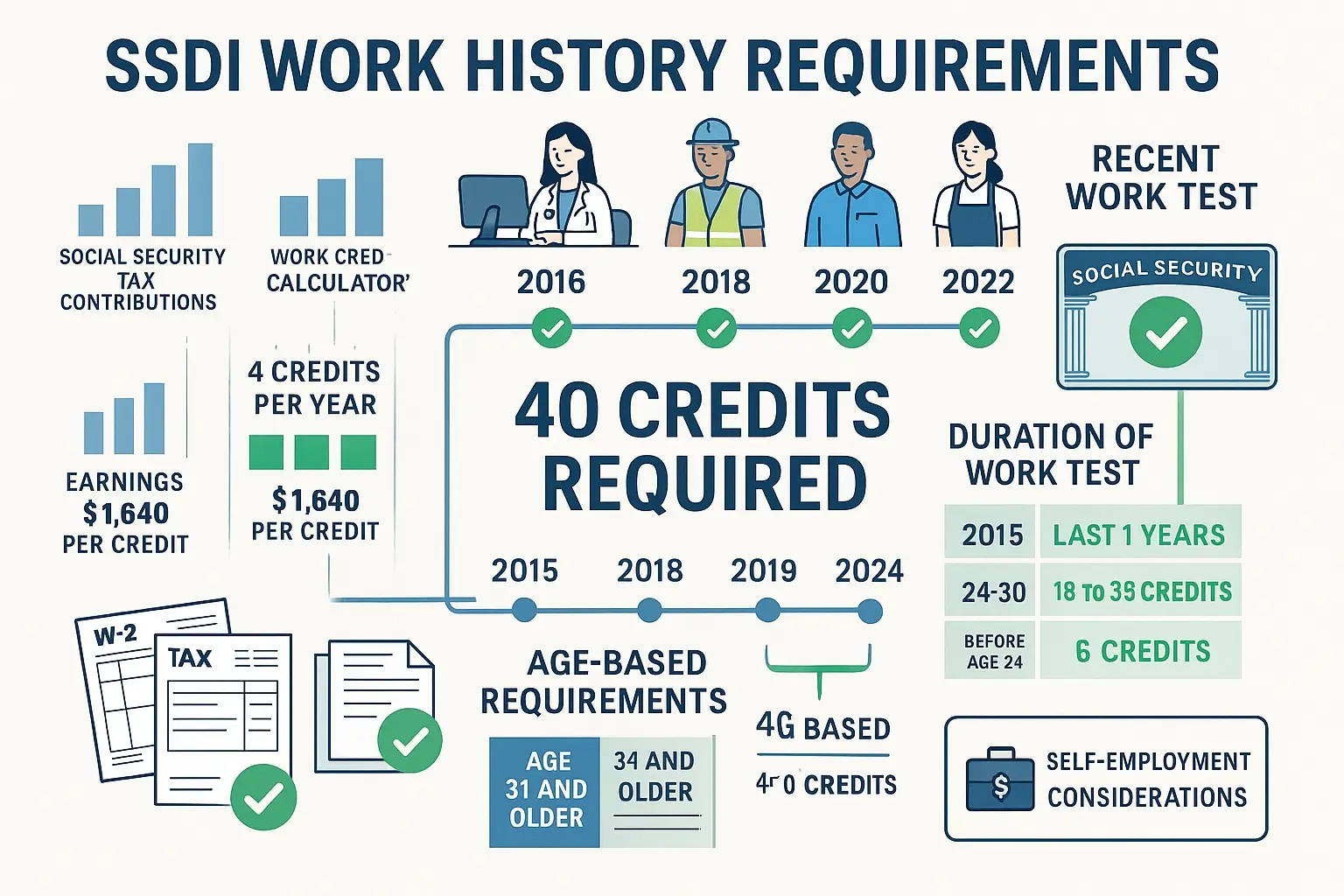
- Work Credits and the 20/40 Rule: The Social Security Administration requires applicants to earn enough work credits through past employment to qualify for Social Security Disability Insurance. Typically, 40 credits are required, with 20 earned within the 10 years preceding the onset of disability. This ensures that disabled workers have made sufficient contributions to the Social Security system. Younger individuals with early-onset Parkinson’s disease may qualify with fewer credits based on age.
- Substantial Gainful Activity (SGA) Threshold: The SSA uses Substantial Gainful Activity limits to determine if a person’s income exceeds the disability threshold. Earning above this amount typically means the person can still perform basic work activities and does not qualify for SSDI due to Parkinson’s disease. In 2025, this limit is over $1,600 per month for most applicants. These earnings caps help the SSA identify when symptoms prevent consistent, full-time employment.
- SSA’s Five-Step Evaluation Process: The SSA applies a structured five-step review to determine whether Parkinson’s meets the medical and work-related criteria for disability. Evaluators assess whether the condition significantly limits a person's physical or mental ability to perform work or past work. They examine medical records, test results, and other evidence to determine if there is disorganization of motor function, a marked limitation in physical functioning, or mental impairment. The SSA also measures residual functional capacity to evaluate the ability to adapt or manage oneself, maintain pace, or cope with extreme limitations in motor function.
- Medical and Functional Criteria: To qualify medically, applicants must demonstrate documented neurological disorders, such as Parkinson's syndrome, supported by as much medical evidence as possible. Prescribed treatment, physician notes, and consistent medical records demonstrate how symptoms progress and reduce a person’s ability to maintain balance, stand, or rise from a seated position. SSA evaluators determine if Parkinson’s meets the standards in the SSA’s medical listing for neurological disorders. They may also apply medical vocational rules if the applicant’s residual functional capacity shows they cannot sustain unskilled work or live independently.
- Accessing SSA Resources and Support: Applicants can visit their local Social Security office or local SSA office for guidance on the application process and necessary medical evidence. A disability attorney can assist with preparing records and improving the chances of approval for Social Security Disability benefits. If denied, individuals may reapply or appeal using updated medical evidence. This understanding empowers people with Parkinson’s disease to navigate the SSA system effectively and access rightful disability benefits.
By meeting both work and medical criteria, applicants strengthen their claim for SSDI for Parkinson’s disease. Accurate medical documentation, complete work history, and clear evidence of marked limitation all contribute to a well-supported application.
Meeting the Blue Book Criteria (Listing 11.06)
Understanding Listing 11.06 in the SSA’s Blue Book helps applicants with Parkinson’s disease present stronger cases for SSDI benefits. This listing outlines the precise medical and functional requirements for individuals with Parkinson's syndrome to qualify for Social Security Disability Insurance. Each element of the listing is designed to measure the progression of the disease and the impact of symptoms on daily and work-related functioning. Below are the main criteria and how they apply during the Social Security Disability benefits evaluation.
SSA Listing 11.06 Overview
The Social Security Administration (SSA) classifies Parkinsonian syndrome under Listing 11.06 as a qualifying neurological disorder. The listing focuses on severe motor function and mental impairment that prevent a person from performing basic work activities. To qualify medically, claimants must present medical evidence proving that symptoms prevent sustained work despite prescribed treatment. This listing directly affects how Social Security Disability claims are determined for people whose Parkinson’s disease causes extreme physical or cognitive limitations.
Motor Function Limitations
The SSA evaluates disorganization of motor function in two extremities, resulting in extreme limitation of physical movement. Examples include extreme difficulty standing from a seated position, maintaining balance while standing or walking, or using the upper extremities for fine tasks. Applicants must provide medical records showing how reduced muscle control and postural instability hinder their daily functioning and ability to perform work. This documentation helps establish how Parkinson’s meets the SSA’s requirements for severe physical functioning impairment.
Mental Function Impairments
If motor function in two limbs is not severely affected, the applicant may still qualify by showing marked limitation in mental impairment. The SSA examines difficulties in concentrating, persisting, or maintaining pace, adapting or managing oneself, and performing basic work activities. Substantial evidence must demonstrate that cognitive impairment and fatigue consistently disrupt the applicant’s ability to maintain a steady pace and adapt to work conditions. These findings demonstrate how Parkinson’s disease affects both physical and mental aspects of daily life.
Importance of Prescribed Treatment and Evidence
The SSA requires proof that limitations persist despite following prescribed treatment for at least three months. Consistent medical evidence, test results, and treatment notes help confirm that symptoms progress even under professional care. Applicants should provide as much medical evidence as possible to show that treatment does not restore the capacity to perform unskilled work. This reinforces that the condition significantly limits both physical and mental abilities required for employment.
By understanding Listing 11.06, applicants can tailor their Social Security Disability claims with relevant medical evidence and documentation. Showing both motor and mental impairment, supported by detailed medical records, increases the chances of approval. When SSA evaluates consistent proof of extreme limitation and marked limitation, it can confirm eligibility for full SSDI for Parkinson’s disease benefits.
Building Strong Medical Evidence
Substantial medical evidence is the foundation of every successful SSDI for Parkinson’s disease application. The Social Security Administration (SSA) evaluates this evidence to confirm that the disease progresses and limits a person’s capacity for work. Applicants must show detailed and consistent proof of how their symptoms prevent them from performing essential tasks. Below are the primary documentation categories and their purpose in demonstrating Social Security Disability benefits eligibility.
- Comprehensive Medical Records: Applicants must gather medical records from neurologists, primary physicians, and rehabilitation specialists. These documents should describe the Parkinson’s diagnosis, treatment response, and how symptoms affect daily functioning. SSA reviewers analyze these records to see if the condition meets the SSA definition of disability. Detailed progress notes also reveal whether the applicant can still perform their previous work.
- Diagnostic Tests and Clinical Results: Strong evidence includes test results, such as MRIs, CT scans, or dopamine transporter scans, that confirm the presence of neurological disorders. Clinical observations demonstrating disorganization of motor function, loss of muscle control, or postural instability further strengthen the case. Objective results help SSA evaluators determine if there is an extreme limitation in physical functioning or cognitive impairment. This evidence links measurable findings to how Parkinson’s meets the SSA’s medical listing for disability.
- Functional and Symptom Documentation: Doctors should assess residual functional capacity (RFC) to measure how motor function and mental impairment restrict work ability. Statements describing issues with standing or walking, maintaining balance, or adapting or managing oneself are essential. Documentation of difficulties in concentrating, persisting, or maintaining pace also demonstrates how the condition reduces endurance. These reports help SSA determine whether applicants can still perform basic work activities or any unskilled work.
- Importance of Ongoing Treatment: Regularly prescribed treatment and follow-up visits prove that applicants are actively managing their Parkinson’s disease. Consistent care records, medication logs, and therapy outcomes show whether symptoms persist despite treatment. SSA evaluators rely on this timeline to verify compliance and the persistence of severe limitations. Maintaining as much medical evidence as possible increases credibility and supports long-term disability benefits eligibility.
By maintaining detailed medical records, undergoing continuous treatment, and providing clear documentation of functional limitations, applicants establish a strong foundation for their Social Security Disability Insurance claims. Each piece of evidence demonstrates how Parkinson’s disease impairs the ability to work and live independently. Together, these records validate the seriousness of the condition under SSA’s strict medical standards.
How to Apply
Applying for Social Security Disability benefits requires thorough preparation, accuracy, and a clear understanding of the process. Understanding both the online and in-person methods ensures you can choose the option that best suits your situation. The Social Security Administration (SSA) offers flexible ways to start your SSDI claim for Parkinson’s disease efficiently. The following points outline the key steps, documents, and timing considerations for a successful application.
Online and In-Person Application Options
Applicants can file through the Social Security Administration’s official website or by visiting their local Social Security office. The online option allows users to apply at any time, save progress, and upload supporting documents. Those who prefer face-to-face assistance can schedule an appointment at their local SSA office for personalized guidance. Both options lead to the same SSA review process for determining eligibility for Social Security Disability Insurance.
Required Personal, Work, and Medical Information
Applicants must prepare detailed medical records, a comprehensive employment history, and valid identification documents. SSA requires a complete list of treating doctors, medications, test results, and prescribed treatment details to verify the Parkinson’s diagnosis. Work information should include prior employers, job duties, and earnings history to establish work credits. Personal details such as Social Security number, dependents, and direct deposit information are also necessary to complete the disability benefits application.
Importance of Early Application
It is essential to file as soon as symptoms prevent you from working because SSDI benefits are not retroactive beyond 12 months. Early application helps the SSA establish an accurate disability onset date, which affects payment eligibility. Starting early also allows time to gather as much medical evidence as possible before submission. Acting quickly ensures applicants do not lose months of potential benefits while waiting for review.
By submitting a well-documented application early, individuals with Parkinson’s disease strengthen their chance of approval for Social Security Disability benefits. Choosing the correct application method and providing thorough information shows preparedness and credibility. Taking proactive steps helps applicants secure financial stability during their journey with Parkinson’s.
What Happens After You Apply
After applying for Social Security Disability Insurance (SSDI), the Social Security Administration (SSA) follows a structured process to evaluate the claim. Understanding each stage of this review helps applicants prepare for potential requests, delays, and updates to documentation. The process is thorough because SSA must verify both medical and work-related eligibility. Below are the key steps and actions applicants should expect after applying for Social Security Disability benefits.
- Initial Review and Processing Timeline: The SSA first verifies that your application includes all required personal, medical, and employment details. The file is then sent to a Disability Determination Services (DDS) office for a medical review. Most applicants receive a decision within three to five months, though complex cases may take longer. The SSA will notify you by mail once a decision has been made on your SSDI for Parkinson’s disease claim.
- Requests for Exams or Additional Information: If your submitted medical evidence is incomplete, SSA may request a consultative examination with an approved physician. Applicants may also receive requests for updated medical records, test results, or reports from treating doctors. These exams help SSA determine residual functional capacity, which measures your ability to perform work despite Parkinson’s disease. Promptly responding to these requests ensures faster processing and enhances the accuracy of your claim.
- Maintaining Updated Medical Evidence: It is essential to continue prescribed treatment and document any symptom progression after treatment is applied. Updated medical evidence, including new test results, therapy notes, and changes in medication, should be submitted to the SSA immediately. Regular treatment records help prove that your condition significantly limits your ability to perform basic work activities or live independently. Keeping your file current ensures SSA evaluates the most accurate picture of your disability during review.
By actively cooperating and maintaining open communication with the SSA, applicants can increase their chances of a timely approval for Social Security Disability Insurance. Providing consistent updates, attending requested exams, and submitting new records all demonstrate diligence and a commitment to excellence. This proactive approach shows the SSA that Parkinson’s disease continues to affect your daily functioning despite ongoing treatment.
Benefit Amounts and Health Coverage
Understanding how Social Security Disability Insurance (SSDI) calculates payments and health coverage helps applicants set realistic expectations. The Social Security Administration (SSA) determines benefits based on an individual’s earnings record, work history, and total contributions to Social Security. These factors directly affect monthly disability benefits and access to healthcare programs. The following key points explain how SSDI benefits and health coverage operate once eligibility is established.
Calculation of SSDI Benefits
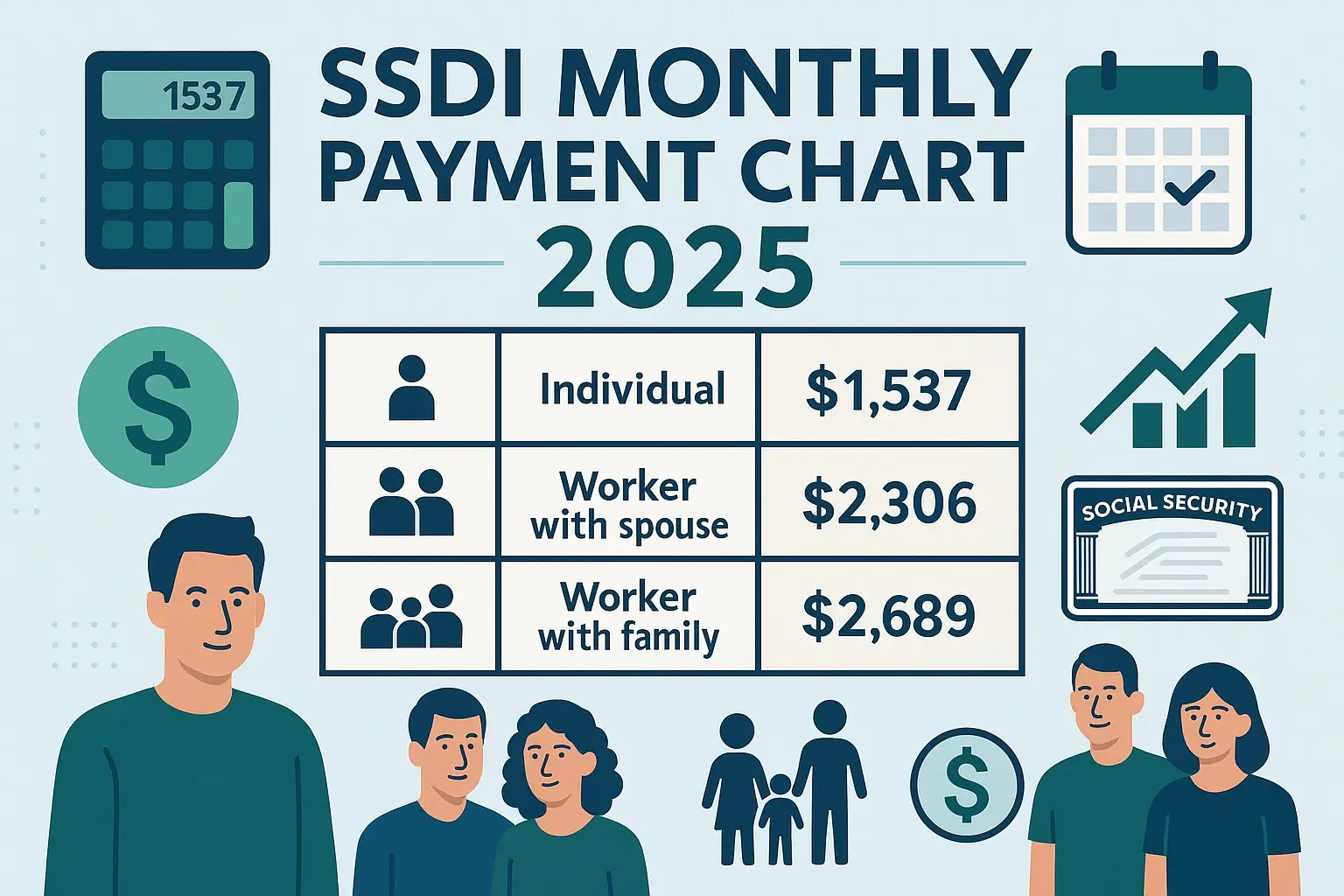
The SSA calculates SSDI benefits using a worker’s Average Indexed Monthly Earnings (AIME), which adjusts past income for inflation. The Primary Insurance Amount (PIA) is then computed from these earnings to determine the exact monthly payment. Higher lifetime earnings result in higher benefit payments, whereas those with shorter work histories typically receive lower benefits. This formula ensures benefits reflect the worker’s actual contributions to Social Security over time.
Five-Month Waiting Period and Medicare Eligibility
After approval, beneficiaries must wait five full calendar months before receiving their first disability payment. This waiting period applies to everyone and cannot be waived under current Social Security Disability rules. Once recipients have received SSDI benefits for 24 months, they automatically become eligible for Medicare coverage. This inclusion provides vital access to medical treatment, prescriptions, and ongoing care for Parkinson’s disease.
Variation in Disability Benefits
Monthly SSDI benefits differ based on each applicant’s income level and work credits earned before disability. People with higher contributions and longer employment histories typically receive larger payments. The SSA also considers family benefits, allowing spouses or dependents to receive a portion of the worker’s benefits. Understanding this structure helps applicants plan financially while awaiting Social Security Disability Insurance and Medicare eligibility.
By learning how SSDI benefits are calculated and when health coverage begins, applicants can better manage expectations and timelines. Understanding how lifetime earnings and work history impact payment amounts also aids in financial planning. These insights ensure individuals with Parkinson’s disease can make informed decisions while navigating their Social Security Disability journey.
Appeals if You’re Denied
When an SSDI for Parkinson’s disease application is denied, the Social Security Administration (SSA) allows several appeal stages to ensure fairness. Each level provides an opportunity to present stronger medical evidence and clarify how Parkinson’s symptoms prevent sustained employment. The appeals process can feel complex, but understanding each stage helps applicants remain organized and persistent. The following points outline the steps to navigate this process and strengthen your Social Security Disability benefits appeal.
- Four Levels of Appeal: The SSA offers four levels of appeal that every applicant can pursue after a denial. The first level is reconsideration, where a new reviewer examines your case with fresh evidence. The second level is the Administrative Law Judge (ALJ) Hearing, where you can explain how Parkinson’s disease affects your daily functioning and work abilities. The third level is the Appeals Council Review, and the final stage is filing a case in the Federal District Court if earlier appeals fail.
- Strengthening Your Appeal with Evidence: Adding new medical records, updated test results, and doctors’ notes about symptom progression is essential. Keep a symptom diary that shows how tremors, fatigue, or cognitive issues affect your ability to perform basic work activities. Ensure that your medical evidence reflects both motor and mental impairment, including challenges in concentrating, persisting, or maintaining pace. Detailed and recent information helps SSA evaluators accurately reassess your residual functional capacity.
- Professional Guidance and Representation: Working with a qualified disability attorney significantly improves your chance of success during the appeals process. Attorneys understand SSA’s medical listing requirements and can present your Parkinson’s diagnosis in a way that meets legal criteria. They also handle communication with the SSA, ensuring no deadlines or required documents are missed. Having professional representation demonstrates seriousness and preparedness during Social Security Disability hearings.
By carefully following each appeal level and updating your file with solid medical evidence, applicants can increase their chances of approval. Combining persistence, accurate documentation, and professional support strengthens your position at every step. A strategic approach ensures your Social Security Disability Insurance claim for Parkinson’s disease receives the fair evaluation it deserves.
Related Programs and Extra Support
Navigating additional support programs beyond Social Security Disability Insurance (SSDI) can provide crucial financial and healthcare assistance for individuals with Parkinson’s disease. Many applicants who qualify for SSDI may also be eligible for other state or federal programs that help reduce out-of-pocket medical and living costs. Understanding how these programs differ ensures that applicants take full advantage of available benefits. The following points explain the key programs and how they can support ongoing care and stability.
Supplemental Security Income (SSI) vs. SSDI
Supplemental Security Income (SSI) is a needs-based program designed for people with limited income and resources. It differs from Social Security Disability Insurance, which is based on prior work history and earned work credits. Applicants with Parkinson’s disease who do not meet SSDI’s work requirements may still qualify for SSI to receive monthly disability benefits. Some individuals may be eligible for both programs, which can provide combined financial assistance for basic living and healthcare expenses.
State-Level Disability and Veterans Programs
Several states offer additional disability benefits that complement federal programs. For example, California, New York, and New Jersey offer temporary disability insurance that provides income support during short-term medical leaves of absence. Veterans with Parkinson’s disease linked to military service—especially exposure to Agent Orange—can apply for VA disability compensation. The Department of Veterans Affairs recognizes Parkinson's disease and other Parkinsonian syndromes as service-connected conditions, providing monthly payments, medical coverage, and long-term care benefits.
Medicaid and Local Health Support
Applicants with low incomes may qualify for Medicaid, which provides healthcare coverage for medications, hospital visits, and ongoing prescribed treatments. Many states also operate Parkinson’s support programs, offering access to physical therapy, counseling, and home assistance. Local non-profits and Parkinson’s foundations often provide grants, transportation help, and community-based resources. Staying connected to these programs ensures continuous care even when symptoms progress or financial circumstances change.
By exploring SSI, state programs, and VA benefits, individuals with Parkinson’s disease can build a well-rounded support system. Combining these resources with Social Security Disability Insurance maximizes both income security and access to healthcare. Taking advantage of every available program ensures long-term stability and improved quality of life during the progression of the disease.