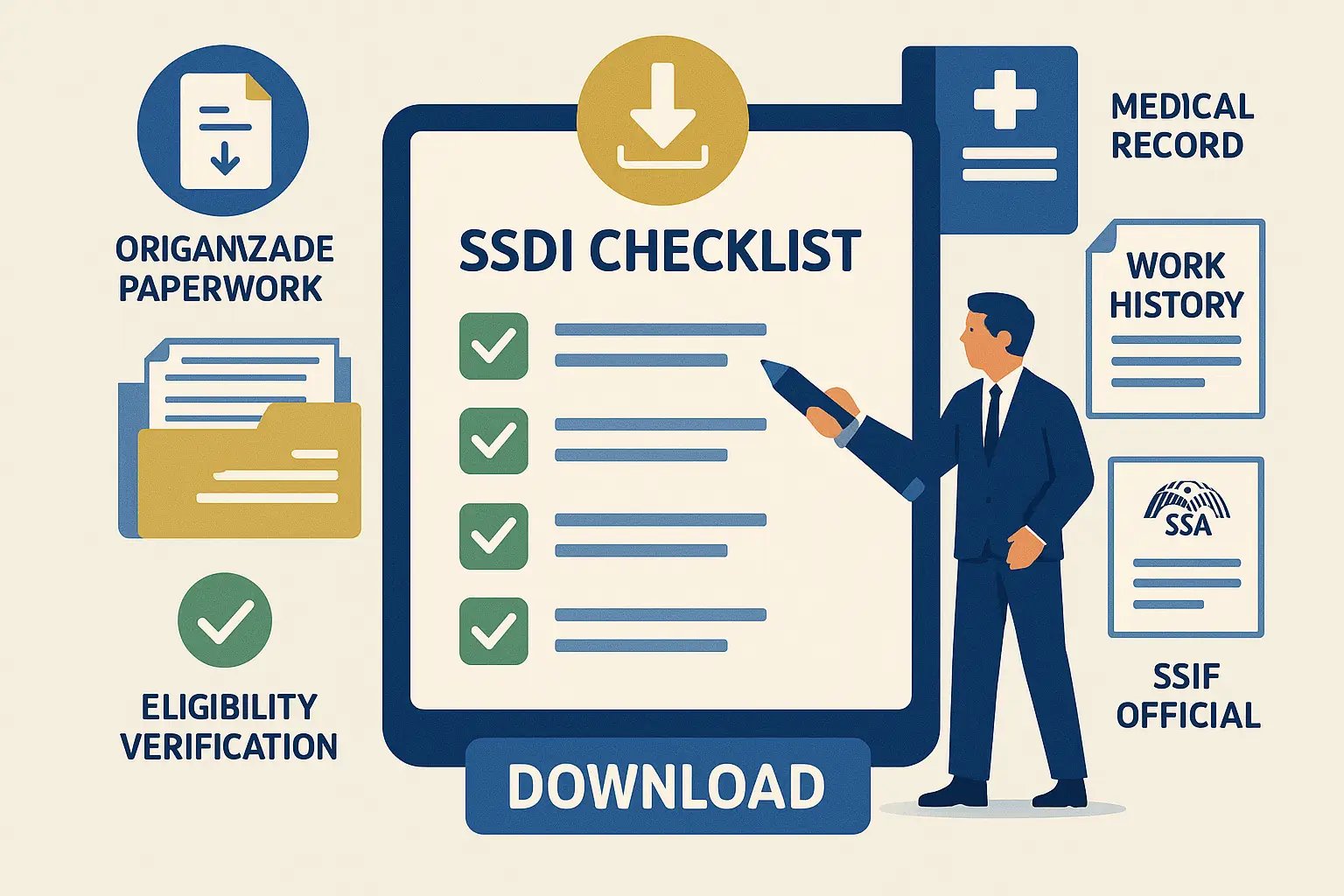
Social Security Disability Insurance (SSDI) provides income support to individuals who become disabled and are unable to continue their regular employment. In Rhode Island, SSDI helps residents maintain stability when sudden illness or injury disrupts their livelihoods. It ensures that eligible individuals can afford medical care, daily necessities, and housing while they are unable to work. This federal program offers crucial protection for people facing long-term or permanent disabilities.
For individuals who cannot work, disability benefits act as both a safety net and a source of dignity. These benefits replace lost income and provide access to essential healthcare coverage. Many Rhode Islanders rely on SSDI to maintain independence during challenging times. Without these benefits, countless disabled residents would struggle to meet their basic living expenses.
This guide explains everything applicants need to navigate SSDI successfully. It covers eligibility criteria, the application process, local Social Security offices, and the appeal steps. Each section helps Rhode Island residents understand what to expect at every stage of the process. With the proper preparation, applicants can enhance their chances of approval and secure the benefits they deserve.
Medical and Work Eligibility Requirements for Social Security Disability Benefits
Applying for Social Security Disability Insurance (SSDI) in Rhode Island requires meeting both medical and work-based eligibility rules. Understanding how the Social Security Administration (SSA) evaluates these factors can help you strengthen your application and increase your chances of receiving disability benefits.
Medical Eligibility
- The SSA determines if your medical condition prevents you from engaging in substantial gainful activity (SGA).
- In 2025, the SGA limit is $1,620 per month, or $2,700 per month if you are blind or have a disability.
- A person must show that their condition limits their ability to perform basic work functions.
- Common qualifying conditions include cerebral palsy, severe musculoskeletal disorders, or being deaf or hard of hearing.
Definition of Total Disability
- The SSA uses a legal definition of disability that requires proof of total disability.
- Applicants must show that their impairment is expected to last at least 12 months or result in death.
- Individuals must demonstrate they cannot perform their past work or adjust to other work.
- Medical documentation, test results, and consistent treatment records play an essential role in this review.
Work History and Credits
- To qualify for SSDI benefits, applicants must have earned enough work credits through prior employment.
- The Social Security system awards one credit for every $1,810 in earnings, up to a maximum of four credits per year.
- Most adults require 40 credits, including 20 earned within the last ten years before becoming disabled.
- The SSA reviews your employment, income, and documentation to verify recent contributions.
Rhode Island-Specific Considerations
- Residents applying for SSDI in Rhode Island work through the Rhode Island Disability Determination Services (DDS).
- The DDS department helps determine medical eligibility by reviewing doctors’ statements and hospital records.
- People with limited work history may still qualify through SSI or other programs managed by Rhode Island DHS.
- Applicants can contact their local Social Security office for additional resources and support.
Impact of Work Incentives and Other Programs
- Work incentives allow disabled workers to test their ability to work without losing benefits immediately.
- Those who return to work may still receive SSDI benefits for a trial period under specific SSA programs.
- Access to Medicare continues for many who restart work after approval, ensuring consistent medical coverage.
- Workers' compensation, savings, or investments may influence total income, so it’s essential to review these with the SSA.
Meeting the medical and work eligibility requirements is the foundation of a successful SSDI application. By providing thorough documentation, understanding your rights, and using local Rhode Island resources, you can apply confidently and improve your chances of receiving benefits under the Social Security Disability Insurance (SSDI) program.
The SSDI Application Process in Rhode Island
Applying for Social Security Disability Insurance (SSDI) in Rhode Island involves several essential steps that determine your eligibility and approval timeline. Understanding this application process helps you avoid delays and respond quickly to any requests from the Social Security Administration (SSA) or the Disability Determination Services (DDS).
Begin Early
Applicants should begin the SSDI application process as soon as they stop working due to a qualifying disability. Starting early allows time to gather complete medical and employment documentation, which helps prevent missing details that could slow approval. The SSA reviews applications in the order they are received, so early submission reduces waiting time and ensures faster processing. Delays often occur when applicants wait too long to file or submit incomplete forms, making early preparation essential.
How to Apply for SSDI in Rhode Island
Residents can apply online, by phone, or in person at their local Social Security office. The online portal at SSA.gov offers a convenient and secure way to complete and track your application from the comfort of your own home. Phone applications are available through the national SSA helpline, offering accessibility options for individuals who are deaf or hard of hearing. Those who prefer face-to-face support can visit one of the Rhode Island offices located in Providence, Warwick, Pawtucket, Woonsocket, or Newport.
Review Timeline and Initial Decision
After submitting your application, the SSA forwards your case to Rhode Island’s Disability Determination Services (DDS) for review. The DDS evaluates your medical evidence and determines if your condition meets the Social Security legal definition of disability. Initial decisions typically take several months, depending on the complexity of your medical condition and the completeness of your documentation. Applicants can monitor their claim status online or by contacting their local SSA office directly for updates.
What to Expect During the Process
During the review, the DDS may request additional medical records, treatment updates, or statements from your healthcare providers. You might also need to attend a consultative examination if your existing medical documentation is incomplete or outdated. The SSA may send letters requesting clarification about your work history or income to verify eligibility. Responding quickly to these requests and keeping copies of all forms ensures smoother communication and reduces the risk of processing delays.
Follow-Up Requests and Communication
The SSA or DDS may reach out to your doctors, hospitals, or employers to verify the details in your application. If you receive a follow-up letter, act promptly to prevent unnecessary delays in your claim’s evaluation. Maintaining consistent treatment and regularly updating your medical records shows continued disability and helps ensure your claim remains active. Cooperation with these agencies demonstrates reliability and can help you receive SSDI benefits more quickly.
Applying for SSDI in Rhode Island requires patience, organization, and timely responses at every step. By submitting your application early, staying proactive with communication, and following up on all DDS requests, you can strengthen your case and improve your likelihood of receiving the disability benefits you’ve earned through your years of work and contributions to the Social Security system.
Required Information and Documents for Social Security Disability Insurance (SSDI)
When applying for Social Security Disability Insurance (SSDI) in Rhode Island, gathering the correct documents early can make the application process smoother and faster. The Social Security Administration (SSA) requires both personal and professional documentation to verify eligibility for SSDI benefits and to determine if an applicant meets the legal definition of disability.
- Personal Identification Details: Applicants must provide a valid Social Security number, birth certificate, and proof of U.S. citizenship or lawful residence. The SSA also requires complete family information, including details about spouses, dependents, and other household members. Married applicants should submit copies of marriage certificates or divorce decrees if applicable. These personal records help the SSA confirm your identity and verify your family's eligibility for Social Security disability benefits.
- Medical Evidence and Treatment Records: Applicants should collect detailed records from all doctors, clinics, and hospitals that have treated their medical conditions. These should include complete lists of prescriptions, recent diagnostic test results, and summaries of ongoing treatment. The SSA relies on medical documentation to verify that your condition meets the legal definition of total disability. Examples of qualifying evidence include records for chronic illnesses, cerebral palsy, or severe hearing impairments that affect daily function.
- Employment and Work History Documentation: Applicants must submit a complete employment history for the last 15 years, including job titles, employer names, and work duties. The SSA uses this information to decide if you can return to your past work or perform other work. You should include records of income, earnings, or workers' compensation benefits to confirm financial eligibility. Providing accurate job descriptions helps the SSA evaluate your ability to perform substantial gainful activity (SGA).
- Additional Financial and Program Documents: Applicants should include proof of savings, investments, and income from any other programs, such as SSI or DHS assistance. These documents allow the SSA to review financial eligibility and ensure compliance with work incentives or other SSA programs. If you have received Medicare or disability benefits before, include your award letters or payment statements. Accurate financial documentation ensures your application remains consistent and complete.
- Preparation and Organization: Applicants should prepare all required information before starting their SSDI application to avoid missing key documents. It helps to create a folder or digital file to store all forms, test results, and communications from doctors or the Social Security Administration. Being organized allows you to respond quickly to follow-up requests from the Rhode Island Disability Determination Services (DDS). Proper preparation saves time, prevents mistakes, and improves the likelihood of early approval.
Submitting complete and verified documentation helps applicants in Rhode Island move smoothly through the Social Security Disability Insurance (SSDI) review process. With every personal, medical, and employment record ready, you demonstrate credibility, accuracy, and readiness to receive disability benefits without unnecessary delays.
How the Social Security Disability Evaluation Process Works
The Social Security Administration (SSA) follows a consistent five-step system to determine whether a person qualifies for Social Security Disability Insurance (SSDI). This process is applied nationwide and implemented locally by the Rhode Island Disability Determination Services (DDS) to ensure that accurate and fair decisions are made.
The Five-Step SSA Evaluation
The SSA employs a five-step evaluation process to review all SSDI applications nationwide, including those in Rhode Island. Step one checks if the applicant is currently working and earning above the substantial gainful activity (SGA) limit. Step two reviews the severity of the applicant’s medical condition and whether it significantly restricts work ability. Steps three through five determine if the condition meets a listed impairment, prevents past work, or stops any other job that matches the applicant’s background.
Medical and Vocational Standards
Disability examiners analyze both medical and vocational information to decide if a claimant meets the SSA’s disability standards. Medical criteria confirm whether an individual’s health issues result in a total disability, preventing them from engaging in full-time employment. Vocational criteria assess whether the applicant’s education, skills, and experience enable them to adjust to another job. This comprehensive review ensures each case receives fair judgment based on evidence, not assumptions.
The Importance of Medical Documentation
Accurate and consistent medical documentation is essential throughout the SSDI evaluation process. The DDS requires complete treatment histories, diagnostic tests, and physician statements to confirm disability claims. Missing or incomplete records can delay decisions or cause denials, even for qualified applicants. Applicants should ensure all healthcare providers promptly send updated records to the Social Security Administration to avoid unnecessary delays.
DDS Role in Confirming SSDI Eligibility
The Rhode Island DDS applies the SSA’s evaluation framework to determine disability eligibility for SSDI benefits. DDS examiners review every case objectively and may request additional examinations if the medical evidence is insufficient. Their decision directly influences whether the SSA approves or denies a claim for social security disability benefits. The DDS ensures that every approved applicant truly meets the federal definition of disability under Social Security law.
The Social Security Disability evaluation process ensures consistency, fairness, and accuracy across all states, including Rhode Island. By maintaining complete documentation and understanding how each evaluation step works, applicants can strengthen their claims and increase their chances of receiving SSDI benefits without unnecessary delays.
Social Security Offices and Services Supporting SSDI in Rhode Island
The Social Security Administration (SSA) operates several local offices across Rhode Island to assist residents with applying for and managing their Social Security Disability Insurance (SSDI) claims. These offices offer essential in-person and remote services to applicants who require assistance with filing, documentation, or follow-up communications.
- Providence Office: The Providence Social Security office, located at One Empire Street, serves as Rhode Island’s largest regional center for SSDI applications. Staff at this location assist applicants in filing initial claims, verifying identification, and updating personal or medical information. The office also coordinates with the Disability Determination Services (DDS) to ensure that complete medical documentation is submitted for review and evaluation. Many claimants in Providence prefer this office for direct assistance with their cases and support with appeal paperwork.
- Warwick Office: The Warwick Social Security office, located at 30 Quaker Lane, provides walk-in and appointment-based services for SSDI and Social Security claims. Representatives guide applicants through the application process, helping them complete the required forms and verify the necessary documentation. This office regularly communicates with the DDS when new medical evidence or work records are added to a claim. Warwick residents often visit this branch for in-person help before or after submitting online applications.
- Pawtucket Office: The Pawtucket office, at 4 Pleasant Street, serves applicants from northern Rhode Island who need to apply for disability benefits or check the status of an existing claim. Local staff assist with verifying work history, past employment, and medical treatment records. The office also assists individuals with disabilities in submitting documentation for dependents who may qualify for related Social Security disability benefits. It frequently supports communication between the applicant, the DDS, and the SSA during active reviews.
- Woonsocket Office: Located at Pavilion Plaza on Diamond Hill Road, the Woonsocket Social Security office provides services for residents in the Blackstone Valley area. Staff assist individuals who need to update income information, report changes in medical condition, or manage SSDI benefits after approval. The office assists applicants in preparing forms for reconsideration or appeal if their disability claim was denied. Representatives coordinate directly with the Rhode Island DDS to confirm ongoing eligibility and case progress.
- Newport Office: The Newport office, located at 130 Bellevue Avenue, serves the southern and coastal regions of Rhode Island. This branch assists applicants in applying, updating, or restarting benefits after temporary work or medical recovery periods. Staff ensure medical records from local hospitals and clinics are forwarded correctly to the DDS for evaluation. The Newport office is especially convenient for individuals who live far from Providence and need local support.
- How Offices Coordinate with DDS: All five Rhode Island Social Security offices forward completed SSDI applications to the Disability Determination Services for medical review. DDS examiners use the submitted evidence to determine eligibility and contact applicants if additional records are needed. Each local office maintains open communication with the DDS to ensure consistency between medical and vocational information. This coordination helps applicants progress through the evaluation process more efficiently and reduces the likelihood of administrative delays.
- Alternative Application Options: Applicants who are unable to visit an office can apply for SSDI online at SSA.gov using the secure digital portal. The SSA also provides phone-based application services for those who are deaf or hard of hearing or have mobility challenges. Online and phone options enable residents to initiate their applications at any time, eliminating the need for in-person appointments. However, local offices remain vital for those who prefer personalized support or require submitting physical documentation.
Rhode Island’s Social Security offices play a crucial role in helping residents navigate the complex process of applying for Social Security Disability Insurance (SSDI). Whether applicants choose to visit in person, call, or apply online, these local offices ensure that every person receives the guidance, documentation, and help necessary to access the disability benefits they deserve.
Rhode Island Disability Determination Services and Social Security Disability
The Rhode Island Disability Determination Services (DDS) plays a vital role in assessing medical eligibility for both Social Security Disability Insurance (SSDI) and Social Security Disability (SSD) claims. While the Social Security Administration (SSA) manages the financial and administrative side of benefits, the DDS focuses on verifying the medical basis for each applicant’s claim to ensure it meets federal disability criteria.
DDS’s Responsibility in Evaluating Medical Evidence
The Rhode Island DDS reviews all medical documentation submitted with a Social Security Disability Insurance (SSDI) claim to determine if the applicant meets national disability standards. Examiners carefully assess whether a medical condition limits the applicant’s ability to perform past work or transition into other employment. They evaluate detailed medical records, including treatment notes, diagnostic test results, and physician statements, to verify the severity and expected duration of each condition. This thorough process ensures that only individuals meeting the SSA’s definition of total disability advance toward benefit approval.
Rhode Island DDS Office Contact Information
The Rhode Island Disability Determination Services office is located at 40 Fountain Street, 6th Floor, Providence, RI 02903. Applicants can reach the office directly at 401-462-7935 for updates on claims, questions about documentation, or general inquiries. The DDS operates under the Rhode Island Department of Human Services (DHS), serving as the state’s medical evaluation branch for all disability applications submitted to the SSA. This Providence office is the sole DDS facility in Rhode Island responsible for processing both SSDI and Supplemental Security Income (SSI) disability claims.
Collaboration with Doctors and Medical Providers
The DDS collaborates with licensed physicians, clinics, and hospitals throughout Rhode Island to collect and verify medical information for each case. Examiners often contact treating doctors to obtain specific details about diagnoses, treatment progress, and functional limitations. If necessary, they schedule consultative examinations with independent healthcare professionals when submitted medical evidence is insufficient or outdated. This close cooperation between the DDS and medical providers ensures that accurate, up-to-date medical data support every disability decision.
DDS’s Role Versus SSA’s Role
The DDS determines whether an applicant meets the medical eligibility standards for Social Security Disability, but it does not handle financial determinations or payments. Once the DDS establishes that a claimant’s medical condition qualifies as disabling, the Social Security Administration finalizes the case by approving benefits and initiating payments. The DDS focuses solely on evaluating whether a condition prevents the applicant from engaging in substantial gainful activity (SGA). This separation of duties allows the DDS to maintain impartiality while ensuring that decisions adhere strictly to federal medical standards.
The Rhode Island Disability Determination Services ensures that every SSDI and SSI claim undergoes a fair, detailed, and medically accurate evaluation. Through collaboration with healthcare providers and the Social Security Administration, the DDS helps Rhode Island residents receive timely and well-supported decisions on their disability benefits applications, reinforcing the integrity of the state’s disability determination system.
Office of Hearings Operations for Security Disability Insurance SSDI Appeals
The Office of Hearings Operations (OHO) handles Social Security Disability Insurance (SSDI) appeal hearings in Rhode Island when an applicant’s initial claim and reconsideration are denied. Understanding how the process works helps applicants prepare effectively and improve their chances of success.
- Location of Hearings in Rhode Island: SSDI appeal hearings in Rhode Island take place at the Providence Hearing Office, located at 33 Broad Street, 4th Floor, Providence, RI 02903. This office serves all Rhode Island residents and manages hearings for applicants across the state. Applicants can attend hearings in person, by phone, or through a secure video conference. The Providence office ensures accessibility for people with disabilities and provides clear instructions about attendance options.
- The Hearing Process and Administrative Law Judges (ALJs): An Administrative Law Judge (ALJ) oversees the appeal hearing to review each applicant’s case independently. During the hearing, the ALJ examines medical records, listens to testimony, and asks questions about the claimant’s condition and work limitations. The hearing is less formal than a courtroom setting but still follows structured Social Security Administration (SSA) procedures. After reviewing all evidence, the ALJ issues a written decision explaining whether the applicant qualifies for SSDI benefits.
- Preparing for the Hearing: Applicants should thoroughly prepare by reviewing all previous documents submitted to the SSA and ensuring their file is complete and up-to-date. Bringing updated medical records, treatment summaries, and physician statements can strengthen the appeal. Applicants should also organize evidence that demonstrates how their condition limits their daily activities or ability to work. Being transparent, detailed, and consistent during testimony helps the judge fully understand the impact of the disability.
- The Value of Legal or Advocacy Representation: Hiring an SSDI lawyer or qualified advocate can significantly increase the likelihood of winning an appeal. Legal representatives assist in organizing the case, gathering missing medical evidence, and presenting arguments effectively. They can also question vocational or medical experts during the hearing to clarify specific limitations. Representation ensures that the applicant’s rights are protected and that all procedural and filing requirements are met.
The Office of Hearings Operations in Providence provides Rhode Island applicants with a fair opportunity to present new evidence and appeal denied Social Security Disability claims. By preparing carefully, submitting updated documentation, and seeking professional guidance, applicants can strengthen their cases and increase their chances of receiving a favorable SSDI decision.