Social Security Disability Insurance, also known as SSDI, provides vital financial assistance to individuals with long-term medical limitations. The federal program supports residents who are unable to maintain regular employment due to severe health conditions. By providing monthly disability benefits, SSDI helps ensure financial stability for individuals and their families affected by disability. North Dakota residents can apply through the Social Security Administration to begin receiving this essential assistance.
Understanding the disability benefits process allows applicants to make more informed decisions during their Social Security disability journey. Each step—from eligibility assessment to final disability determination—requires accurate documentation and careful preparation. By understanding what the Social Security Administration looks for, applicants can significantly improve their chances of approval. Awareness of common errors also helps avoid unnecessary delays during the application process.
This guide walks readers through the eligibility requirements, local Social Security Administration resources, and each stage of the disability application process. It outlines how to gather evidence, complete the initial application, and follow up after submission. Applicants will also learn where to seek local assistance or legal help within North Dakota. With the proper preparation, residents can navigate the SSDI system confidently and achieve faster, more favorable outcomes.
Medical Conditions That May Qualify for Disability Benefits
Many SSDI applicants in North Dakota wonder which medical conditions qualify for disability benefits and how the Social Security Administration decides eligibility. Understanding how qualifying conditions are evaluated helps applicants prepare strong cases supported by credible medical evidence. Below is a clear breakdown of conditions and criteria that affect approval under the Social Security Disability Insurance program.
- Musculoskeletal Disorders: These conditions include spinal injuries, joint dysfunction, or severe arthritis that limit physical mobility and endurance. Medical records from doctors, specialists, or physical therapists provide the most substantial proof of restricted movement or chronic pain. The Social Security Administration considers both the extent of damage and the impact on daily activities. Applicants must show that their medical condition prevents them from performing work consistent with their work history.
- Neurological Conditions: Disorders like epilepsy, Parkinson’s disease, multiple sclerosis, or traumatic brain injury often qualify for Social Security disability benefits. The SSA field office and Disability Determination Services assess how these conditions impact concentration, coordination, and physical ability. Medical sources, such as neurologists, must provide treatment notes, lab test results, and imaging reports. Consistent medical documentation supports the disability claim, increasing the likelihood of approval.
- Cardiovascular and Respiratory Conditions: Heart disease, chronic obstructive pulmonary disease (COPD), or severe asthma can qualify for disability benefits if they significantly limit stamina or breathing capacity. The SSA reviews the applicant's hospitalization history, treatment outcomes, and medical determination results from their doctors. Evidence should include EKGs, stress tests, and cardiology reports. If a person is unable to perform light or sedentary work due to a limited oxygen-carrying capacity, they may be eligible for benefits.
- Mental and Cognitive Disorders: Depression, anxiety, schizophrenia, and intellectual disabilities are recognized under the Social Security disability program when properly documented. Medical evidence from licensed psychiatrists or psychologists is required to establish the level of functional limitation. The Social Security review process evaluates the impact of these impairments on social interaction, memory, and concentration. Applicants showing long-term treatment and consistent medical records typically have stronger claims.
- Compassionate Allowances Program: The Social Security Administration expedites cases involving terminal or extremely severe illnesses, such as ALS, pancreatic cancer, or acute leukemia. These conditions undergo faster review because DDS makes an immediate medical determination once the diagnosis is confirmed. This program reduces the time-consuming review stages for eligible applicants. It ensures that individuals with rapidly progressing diseases can receive benefits without unnecessary delays.
- Other Qualifying Conditions: Even if a condition is not on the SSA’s official list, applicants may still qualify if their combined impairments prevent substantial work. The disability determination process considers age, work history, and residual functional capacity. Additional information from treating medical sources can strengthen borderline cases. This holistic assessment helps the department take appropriate action on each disability claim.
By understanding the Social Security program’s qualifying conditions and required medical evidence, applicants can prepare a complete and convincing disability application. Submitting detailed documentation and cooperating with DDS returns improves the chance of approval and timely payment. Ultimately, strong preparation ensures that disabled adults and their family members in North Dakota obtain the benefits they deserve through the federal Social Security Disability Insurance system.
How to Apply for SSDI in North Dakota
Filing for SSDI in North Dakota requires understanding the options available through the Social Security Administration (SSA) and preparing the correct documentation. Each step in the disability application process determines how quickly the SSA can decide on your disability claim. Below is a detailed breakdown of how to begin and what to prepare for your initial application.
Online Application
Submitting your Social Security disability benefits application online is the fastest and most efficient way to proceed. The SSA website allows you to start your claim at any time and save your progress as you work through it. You can securely upload medical records, work details, and other required information through your account. Online filing also helps prevent common errors that could delay your approval.
Phone Application
You may apply for SSDI in North Dakota by calling the Social Security Administration at its national number. An agent will guide you through the disability benefits application and confirm which medical evidence or forms are required. This option helps applicants who have difficulty using online systems or need additional support. The representative can also schedule follow-up calls to collect missing details or verify documentation.
In-Person Application
Applicants who prefer face-to-face assistance when applying for Social Security disability can visit their local SSA field office. Staff can help verify identity, review medical evidence, and confirm eligibility before submission. It is essential to book an appointment, as most offices limit walk-in availability—the in-person route benefits disabled adults who require direct guidance or assistance with the application process.
Personal Information Requirements
Gather essential documents like your Social Security number, valid identification, and birth certificate. Include your address, marital status, and dependent details to ensure the SSA processes your disability claim correctly. Having accurate personal information prevents administrative delays and provides efficient processing. Make sure all names and numbers match your official records.
Medical Documentation
Collect detailed medical records from all treating doctors, hospitals, and clinics. Include treatment histories, medications, diagnostic tests, and medical sources’ contact information. This evidence supports your medical determination and strengthens your disability application. The SSA relies heavily on this documentation to confirm the severity of your medical condition.
Employment and Income History
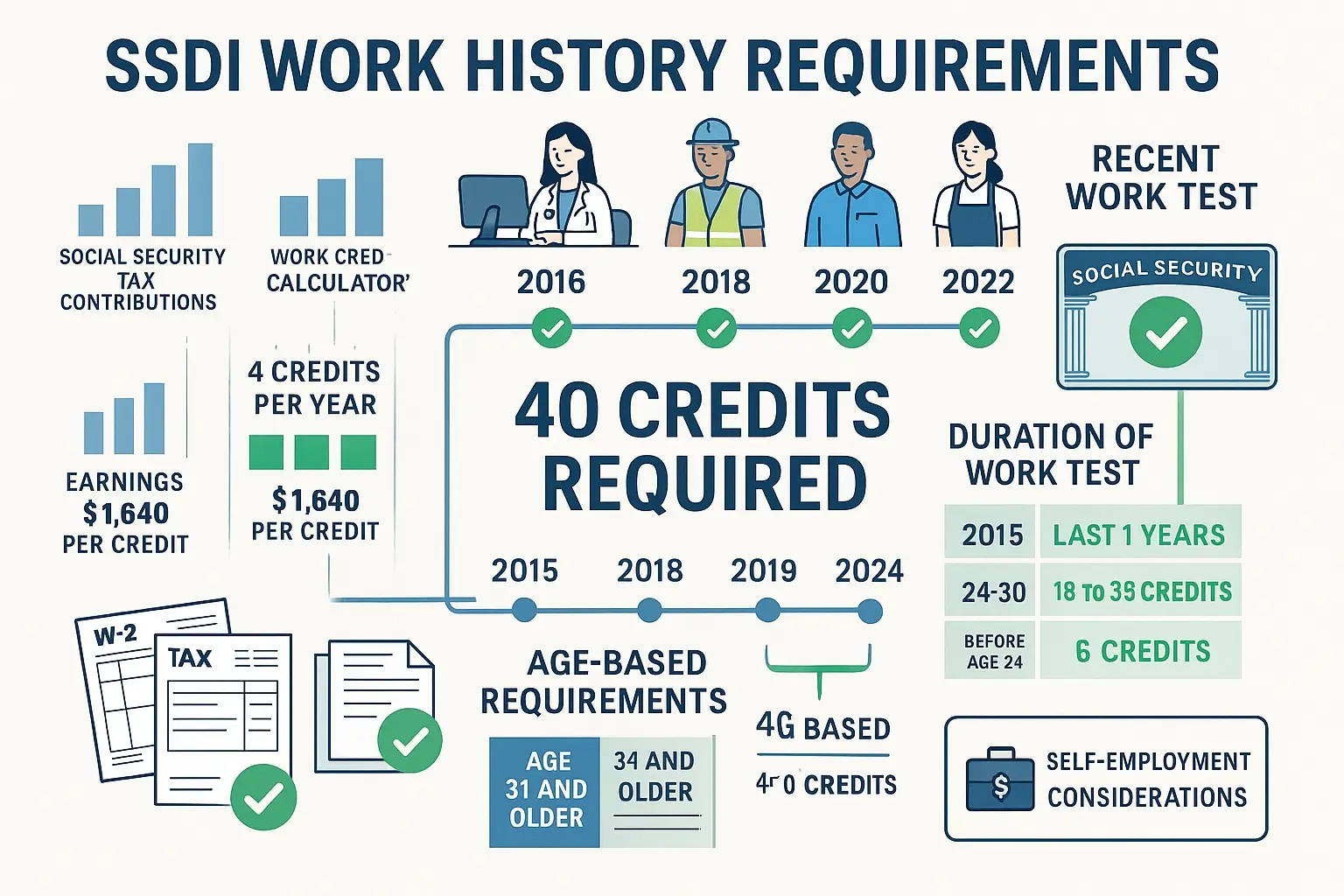
Provide your work history, including employer names, job duties, and income for the past 15 years. The Social Security Administration uses this data to assess your ability to work or transition to a different role. You should also report any recent employer payments or disability-related absences. Consistent employment documentation ensures a smoother review process.
Adult Disability Report (Form SSA-3368)
Complete the Adult Disability Report to support your disability application. This form helps the SSA understand how your medical condition affects daily functioning and work performance. It allows the agency to cross-reference your medical records with your claim details. Submitting this report early can help reduce processing time and enable you to receive benefits sooner.
Completing your Social Security disability application carefully and thoroughly gives you the best chance of success. Whether you apply online, by phone, or at a local office, proper preparation ensures the SSA can make an accurate and timely disability determination. With organized records and complete forms, SSDI applicants in North Dakota can confidently move forward toward receiving the benefits they deserve.
North Dakota Social Security Offices and Resources
Understanding where to apply and where your disability claim is evaluated is essential when filing for SSDI in North Dakota. The Social Security Administration (SSA) operates through regional and state-level offices that manage applications and conduct medical evaluations. Knowing the right resources can make the disability determination process faster and less stressful for applicants.
- North Dakota Disability Determination Services (DDS) Office in Bismarck: The Disability Determination Services (DDS) office in Bismarck is responsible for reviewing all SSDI and Social Security disability benefits claims within the state. The office address is 1237 W. Divide, Suite 4, Bismarck, ND 58501, and it serves as the central point for the state’s medical determination process. The DDS operates under the Social Security Administration and evaluates whether a medical condition meets federal disability standards. Applicants can contact the DDS directly or through their local SSA field office for updates on their disability claim.
- Role of DDS in the Review Process: The DDS makes final recommendations on each claim by evaluating medical records, work limitations, and other medical evidence. A claims examiner and a medical or psychological consultant review each application. The team verifies if the applicant’s medical documentation supports an inability to perform previous or alternative work. Once the DDS returns its findings to the SSA, the agency decides whether to approve or deny benefits based on the state’s disability determination.
- Aging and Disability Resource-LINK (ADRL): The ADRL helps individuals with disabilities and their family members access support programs and navigate health and housing options. This North Dakota service connects applicants to long-term care, home assistance, and community-based services. It can guide residents who need help preparing their disability benefits application or gathering medical documentation. Applicants can reach ADRL toll-free at 1-855-462-5465 or visit carechoice.nd.gov online for more information.
- ND Assistive Technology Program: The ND Assistive Technology Program provides equipment and devices that improve independence for individuals with disabilities. This includes hearing aids, mobility tools, and adaptive technology for communication or work. The program works closely with the Department of Health and Human Services to support individuals applying for Social Security disability or SSI benefits. It also helps SSI applicants demonstrate functional limitations through medical evidence and treatment records.
- Vocational Rehabilitation Services: Vocational Rehabilitation (VR) helps individuals with disabilities prepare for and return to employment while receiving disability benefits. This program provides training, job placement, and counseling to individuals recovering from medical setbacks. VR staff can coordinate with the Social Security Administration to ensure ongoing benefits eligibility during re-entry to work. Applicants can contact their nearest hearing office or SSA field office to be referred for VR assistance.
By utilizing these North Dakota-based resources, applicants can enhance their disability claim and expedite the SSA review process. Coordinating with the DDS, submitting detailed medical records, and leveraging community programs provide the necessary actions for timely approval. With the proper guidance, residents can confidently navigate the Social Security system and successfully receive benefits under the federal Social Security Disability Insurance program.
The SSDI Application Process and Timeline
The SSDI application process in North Dakota involves several detailed steps that applicants must complete carefully to avoid delays. Each phase of the process focuses on verifying eligibility, evaluating medical and work-related evidence, and ensuring that the applicant meets the standards of the Social Security Administration (SSA). Understanding this timeline helps applicants manage expectations and prepare effectively while waiting for a decision.
Application Submission
Applicants can begin their disability application through the SSA field office, by phone, or online. The process starts when the initial application is submitted, accompanied by accurate personal details, medical records, and a complete work history. The SSA reviews these documents to confirm basic eligibility before forwarding the claim to Disability Determination Services (DDS). Submitting complete information at this stage prevents delays during the review process.
Initial Application and Timeline
The initial application review typically takes about six to eight months from submission to decision. During this time, the SSA verifies identity, employment, and coverage under Social Security Disability Insurance (SSDI). The DDS examines all medical documentation to make a preliminary decision about the applicant’s ability to work. If approved, the SSA calculates the payment amount and sends a notice of approval; if denied, the applicant may file an appeal.
Medical and Work Evaluation
The DDS makes its medical determination by analyzing both medical and vocational factors. Reviewers examine medical evidence from doctors, clinics, and hospitals to assess how the condition affects functional ability. They also evaluate whether the applicant can perform previous or alternative work, considering factors such as age, income, and work history. This dual evaluation ensures that every disability claim meets federal eligibility standards for Social Security disability benefits.
Consultative Examinations
When the submitted medical evidence is insufficient, the SSA may schedule a consultative exam with an independent physician or psychologist. This exam helps clarify the applicant’s medical condition and provides updated findings to support the claim. Attendance is mandatory, and failure to appear without a valid reason may result in denial of admission. The DDS uses this additional information to complete its final assessment.
Expedited Reviews
Some SSDI applicants qualify for expedited processing under special categories. The Social Security Administration fast-tracks disability claims for compassionate allowances, terminal illnesses, and veterans with service-related disabilities. These cases bypass the usual waiting period once verified by the DDS. Fast-tracked applicants often receive benefits much sooner due to the urgent nature of their conditions.
By understanding each step of the SSDI process in North Dakota, applicants can stay organized and proactive throughout the application process. Providing strong medical evidence, following up with the SSA, and cooperating with DDS requests help ensure timely results. With careful preparation and accurate documentation, applicants increase their chances of a favorable decision and prompt access to essential disability benefits.
What to Do If Your Social Security Disability Claim Is Denied
Receiving a Social Security Disability claim denial can feel discouraging, but it does not mean your case is over. The Social Security Administration (SSA) provides several appeal options for applicants who believe their disability determination was incorrect. Understanding the reasons for denial and knowing the appeal process can help you take the right next steps toward approval.
- Common Reasons for Denial: Most disability claims are denied during the initial application phase due to missing or incomplete information. The SSA often rejects applications that lack sufficient medical evidence or consistent documentation of treatment. Claims may also be denied when reported income exceeds the substantial gainful activity limit or if the applicant fails to follow prescribed treatment. In some cases, the DDS makes an unfavorable decision when medical findings do not meet the standards for disability determination.
- Reconsideration: If your claim is denied, you can file for reconsideration within 60 days of the decision notice. During this step, a different examiner at Disability Determination Services (DDS) reviews your case with all the medical records and new evidence you submit. It is essential to provide updated documentation or additional medical sources to strengthen your file. Many SSDI applicants are approved at this stage if their condition has worsened or new medical evidence supports their inability to work.
- Hearing Before an Administrative Law Judge (ALJ): If your reconsideration is denied, you may request a hearing before an Administrative Law Judge (ALJ). This is a formal proceeding where you can explain your disability claim in person or via video conference. The ALJ reviews your medical documentation, listens to your testimony, and may question expert witnesses. Having a representative or disability lawyer at this stage increases your chances of a favorable outcome.
- Appeals Council Review: If the ALJ denies your case, you can request an Appeals Council review. The council examines whether the judge made any errors in the review process or failed to consider critical evidence. The council may approve your claim, return it to the judge for further evaluation, or uphold the denial. This step ensures that your Social Security disability benefits claim receives a fair and comprehensive assessment.
- Federal Court Review: As a final option, applicants may file a lawsuit in Federal Court if the Appeals Council upholds the denial. This stage requires strong documentation, legal representation, and a detailed explanation of how the Social Security Administration misapplied its rules. Although this step is time-consuming, it provides another opportunity to prove that your medical condition meets federal disability criteria. A favorable ruling compels the SSA to grant benefits and issue payment for any owed back pay.
- Guidance for Strengthening an Appeal: To improve your appeal, continue regular treatment and collect updated medical evidence from your doctors. Submit any additional information that demonstrates how your condition affects your ability to work. Keep track of all SSA deadlines and maintain copies of all relevant communications. Consistent follow-up and strong documentation significantly increase your chances of eventual approval.
While a Social Security disability claim denial can delay benefits, persistence and preparation make a significant difference. Many SSDI applicants in North Dakota succeed on appeal when they strengthen their evidence and adhere to the SSA process. By understanding each appeal level and seeking help when necessary, you can effectively protect your rights and increase your chances of receiving disability benefits.
Working with Disability Lawyers and Representatives in North Dakota
Working with a disability lawyer or representative in North Dakota can make a significant difference in the outcome of your Social Security Disability (SSD) case. Many applicants struggle to understand the SSA’s process, deadlines, and complex paperwork, which makes professional assistance especially valuable. Below is a detailed explanation of when and how to seek help, what to expect with fees, and how to choose a qualified representative.
When to Seek Legal or Representative Assistance
Applicants should consider hiring a Social Security disability lawyer if their initial application is denied or if their case involves complex medical or work issues. Legal help is beneficial when preparing for a hearing before an Administrative Law Judge (ALJ) or appealing a disability determination. A representative can communicate directly with the Social Security Administration (SSA) and gather missing medical evidence. This support ensures that applicants meet filing deadlines and follow every required step accurately.
Contingency Fee Structure
Most disability lawyers work on a contingency fee basis, meaning they only get paid if the case is approved. The SSA caps fees at 25% of past-due disability benefits, up to a maximum amount set by law. This rule ensures fairness and transparency, allowing applicants access to quality representation regardless of their income. Applicants are also responsible for minor case-related expenses, such as obtaining medical records or expert reports.
Choosing a Qualified Social Security Lawyer or Advocate
Applicants should look for representatives with experience handling SSDI in North Dakota and knowledge of the SSA field offices and hearing offices in the region. A qualified attorney will have a proven record of successful appeals and familiarity with disability determination standards. It is wise to request references, verify licenses, and review communication style before signing an agreement. Local advocates often have a deep understanding of state-specific programs, such as Supplemental Security Income (SSI), and can effectively coordinate with medical sources.
Benefits of Professional Representation
Working with a professional representative increases the odds of approval, especially for denied disability claims. Lawyers are skilled at presenting medical documentation and work history to demonstrate eligibility for the Social Security Disability Insurance (SSDI) program. They can also prepare you for questions during your hearing and ensure that all evidence is submitted correctly. Many North Dakota applicants find that having expert guidance reduces stress and shortens the time it takes to receive approval.
By securing the proper legal assistance, applicants improve their chances of winning the disability benefits they deserve. A knowledgeable Social Security lawyer can simplify the review process, manage deadlines, and represent your interests professionally. With proper representation, SSDI applicants in North Dakota can confidently pursue their claims and ensure that the Social Security Administration takes appropriate action on their case.