Social Security Disability Insurance in Mississippi helps residents who are unable to work due to severe medical conditions or impairments. The Social Security Administration runs this program to provide essential monthly disability benefits. Understanding how SSDI works locally allows applicants to prepare accurate documentation and meet specific eligibility rules. Awareness of state-specific details helps residents avoid mistakes that could delay or deny claims.
The Social Security Administration manages the disability program through standardized evaluation and strict eligibility procedures. Each claim relies on solid medical records and recent test results to prove the extent of disability. Mississippi applicants must provide detailed documentation to demonstrate their inability to engage in substantial gainful activity. This structured process ensures fairness and consistency in determining who qualifies for disability benefits.
This guide simplifies the entire SSDI application process for Mississippi residents. It explains how to apply online, track the application status, and complete the filing process correctly. Readers will also learn how to contact local offices for in-person assistance when needed. By following these steps, applicants can confidently navigate the system from start to finish and achieve successful approval.
The Disability Determination Process
The Social Security Administration uses a detailed review process to evaluate disability claims in Mississippi. Each step ensures that applicants meet the SSA criteria for Social Security Disability Insurance and related federal disability programs. Below are the stages of the disability determination process, explained clearly for Mississippi residents who want to understand how the SSA reviews applications.
Initial Review by the Social Security Administration
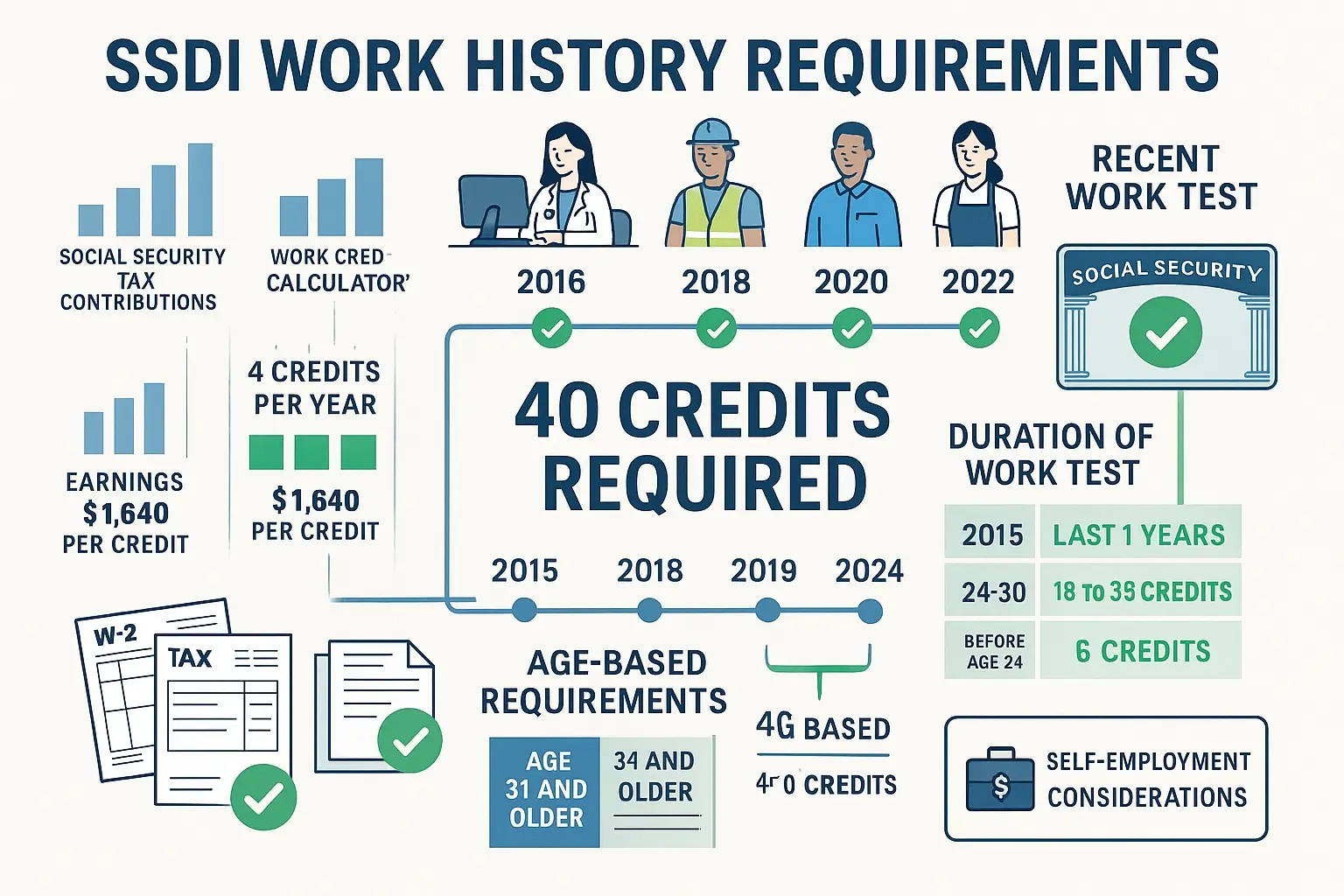
- The Social Security Administration (SSA) first checks if a person has enough work credits through paid Social Security taxes.
- Applicants must complete the SSDI application and provide their Social Security number, income details, and work history.
- The SSA office verifies eligibility under federal disability programs and determines if the applicant may be eligible for SSI benefits.
- If the application is incomplete or missing medical documents, SSA requests additional proof before proceeding with review.
Five-Step Evaluation for SSDI in Mississippi
- Step one checks if the applicant is working and earning above the allowed income limit set by the SSA.
- Step two evaluates whether the medical condition is severe enough to prevent work for at least a year.
- Step three determines if the disability meets SSA criteria for listed medical conditions or equivalent impairments.
- Steps four and five assess whether the person can return to their previous work or perform other jobs, taking into account their age and skills.
Medical Assessment and Documentation Review
- The SSA evaluates each disability claim using detailed medical records and other proof from doctors and hospitals.
- Disability Determination Services (DDS) reviews recent test results and medical documents to confirm that the applicant is medically eligible for benefits.
- The process involves reviewing medical records that demonstrate how symptoms limit daily activities and prevent substantial gainful employment.
- If medical evidence is unclear, the SSA may request further evaluations or consultative exams before deciding eligibility.
Collaboration Between DDS and SSA in Mississippi
- The Mississippi DDS collaborates with the Social Security Administration to review disability benefits claims efficiently and accurately.
- DDS specialists assess medical criteria, review hospital records, and confirm whether applicants qualify under Social Security disability guidelines.
- Hearing offices and administrative law judges handle denied claims, reviewing prior evidence and any new information.
- The partnership between DDS and SSA ensures that Mississippi residents receive fair, evidence-based decisions on disability benefits.
This process allows Mississippi SSDI applicants to understand how medical records, work history, and recent test results affect their eligibility. Knowing each review stage helps them prepare stronger applications and respond quickly to SSA requests, thereby improving their chances of winning benefits and receiving SSDI payments on time.
How to Apply for SSDI in Mississippi
Applying for Social Security Disability Insurance in Mississippi requires careful preparation and attention to detail. The Social Security Administration (SSA) provides several convenient ways to submit your application, including an efficient online process. Below are the key steps and insights to help Mississippi residents complete their SSDI application and avoid common filing issues.
Apply Online through the Social Security Administration Website
You can apply online at the official Social Security Administration website using your Social Security number and work history. The online application enables you to complete forms at your own pace and save your progress for later use. It helps you submit accurate details about your medical condition, employment history, and income information to support your disability claim. This method is ideal for most people who want to start their claim immediately without visiting a local SSA office.
Advantages of Filing Online
The online process saves time and allows you to check your application status at any time through your SSA account. It reduces paperwork and speeds up the review by sending your medical records and documents electronically. You can also upload other proof, such as recent test results and treatment summaries, directly through the website. This method minimizes delays and ensures that your SSDI application reaches the correct department more quickly.
Alternative Application Options
If you cannot apply online, you can call the Social Security Administration SSA at 1-800-772-1213 for phone assistance. You may also visit your local Social Security office or SSA office to apply in person after scheduling an appointment. Some hearing offices also assist with specific questions about disability claims or appeals. These options are beneficial for applicants with limited internet access or those who require complex medical documentation.
Checklist of Required Documents
Gather personal information such as your Social Security number, date of birth, and proof of citizenship or lawful status. Collect detailed medical records, recent test results, and medical documents that prove your disability. Include your work history, income information, and documentation of Social Security taxes paid to verify eligibility. Prepare any records of military service, workers’ compensation, or other benefit payments you receive to strengthen your claim.
Tips to Finish Filing Accurately
Review every entry for accuracy before submitting your SSDI application to avoid delays or denial. Double-check that your application includes medical records and other proof supporting your disability claim. Respond promptly to any SSA requests for clarification or additional documentation during the review process. Keep copies of all forms, as they help you track your application status and win benefits more efficiently.
By understanding these steps, Mississippi residents can navigate the SSDI application process confidently. Whether you apply online or at a local Social Security office, providing accurate documentation and filing your application on time increases your chances of approval. Completing your application carefully helps ensure you receive SSDI benefits without unnecessary setbacks.
Mississippi Social Security Offices
The Social Security Administration provides several offices in Mississippi to assist residents applying for disability benefits. These offices handle claims for Social Security Disability Insurance (SSDI) and Supplemental Security Income (SSI), as well as appeals for these programs. Below is an overview of Mississippi’s key Social Security office locations, along with guidance for rural residents who may face challenges accessing these services.
- Major Social Security Offices and Hearing Offices: Mississippi has several Social Security offices in major cities, including Jackson, Gulfport, Hattiesburg, and Meridian. Additional SSA offices serve residents in Tupelo, Columbus, and Greenville, with hearing offices located in Jackson and Tupelo for appeal reviews. These offices handle disability claims, benefit payments, and case reviews for Mississippi SSDI and SSI applicants. Each location provides access to a Social Security representative who can help clarify filing requirements or appeal procedures.
- Using the Social Security Office Locator Tool: Applicants can use the Social Security Administration’s online Office Locator tool to find their nearest location. The tool enables users to enter their ZIP code and instantly view the address, contact number, and office hours. It also shows directions to the nearest SSA office or hearing operations center for appeal hearings. This resource ensures applicants can locate the correct office for submitting paperwork or checking their claim status.
- Appointments for In-Person Visits: The SSA now requires appointments for all in-person visits to Mississippi Social Security offices. Applicants can call the SSA office directly or use the central hotline at 1-800-772-1213 to schedule an appointment. Appointments help reduce wait times and allow staff to prepare necessary documents before your visit. Walk-ins are limited, so planning early ensures your disability claim or appeal review proceeds without delays.
- Guidance for Rural Mississippi Residents: Residents in rural parts of Mississippi often travel long distances to reach the nearest Social Security office. Applicants who cannot visit in person can apply online, call SSA, or submit documentation by mail. Using SSA’s online services helps those with limited transportation access to track their application status and communicate with representatives. This flexibility ensures all Mississippi residents can access Social Security disability benefits efficiently.
Understanding where and how to reach the Social Security offices in Mississippi helps applicants stay organized and informed. Whether applying for SSDI, SSI, or filing an appeal, utilizing online tools and scheduling appointments can help ensure a smoother and faster process. Proper planning can help applicants avoid unnecessary delays and stay informed about the progress of their disability claim.
The SSDI Appeals Process
The SSDI appeals process in Mississippi allows applicants to challenge denied disability claims through multiple review stages. Understanding each phase helps applicants prepare the right evidence, respond to SSA requests, and improve their chances of winning benefits. Below is a detailed breakdown of the appeals process, including how the Social Security Administration and Mississippi hearing offices manage each case.
When an SSDI Application Is Denied
When an SSDI application is denied, the Social Security Administration (SSA) sends a written explanation detailing the reasons for rejection. Most people receive a denial due to incomplete medical records, insufficient work credits, or not meeting the SSA criteria for disability. The applicant can request an appeal within 60 days to have the claim reviewed again. Acting quickly after a denial ensures the applicant remains eligible for further review under the SSA disability program.
Appeal Levels and Role of Hearing Offices
The appeals process consists of four levels: reconsideration, a hearing before an administrative law judge, review by the Appeals Council, and review by the federal court. During reconsideration, a new SSA reviewer re-examines the disability claim and any new evidence that has been submitted. If denied again, the applicant can request a hearing before an administrative law judge at a Mississippi hearing office. These hearing offices evaluate all updated evidence and testimony to decide whether to approve the SSDI benefits.
Strengthening an Appeal with Updated Medical Evidence
Updated medical records and recent test results are critical to a successful appeal. They demonstrate ongoing treatment and verify that the disability continues to prevent substantial work. Applicants should also submit new medical documents or physician statements that address SSA’s previous concerns. Strengthening the claim with current, detailed evidence greatly increases the chances of approval.
Tracking Application Status and Responding to SSA Requests
Applicants can check their appeal status online through their SSA account or by contacting their local Social Security office by phone. It is essential to respond immediately to any SSA requests for additional documentation or clarification. Keeping detailed records of all communications and deadlines helps applicants avoid missing important updates. Staying organized and proactive ensures that the appeal process moves forward without unnecessary delays.
Consulting Legal Help for Complex or Multiple Appeals
Applicants who have faced multiple denials should consider consulting a law firm specializing in Social Security Disability Insurance (SSDI) to explore their options for further assistance. Experienced attorneys understand SSA procedures and can prepare clients for hearings before an administrative law judge. Legal representatives also help gather more substantial evidence, review SSA feedback, and meet all filing deadlines. Hiring an attorney significantly improves the likelihood of approval during the later stages of appeal.
Understanding the SSDI appeals process in Mississippi enables applicants to take timely and informed actions after a denial. By updating medical records, tracking their claim, and seeking legal assistance when necessary, applicants can strengthen their case. Persistence and preparation remain key to successfully securing Social Security disability benefits.
Legal Help and Representation
Hiring legal help for a Mississippi SSDI claim can make the difference between denial and approval. Attorneys are familiar with Social Security Disability Insurance procedures, the required documentation, and SSA deadlines. Below are key insights into when and how to seek representation, how fees are structured, and how professional help improves your claim outcome.
- When to Consider Hiring an Attorney: Applicants should consider hiring an attorney when their SSDI claim has been denied or involves complex medical or work history issues. Legal representation becomes valuable when an applicant struggles to gather medical records or meet SSA criteria for eligibility. Attorneys also assist applicants who need to present their case before an administrative law judge during a hearing. Hiring a lawyer early ensures each disability claim is complete and well-supported before submission.
- Attorney Fees and Contingency Rules: The Social Security Administration regulates attorney fees to protect applicants. Attorneys who represent clients in SSDI or SSI claims work on a contingency basis, meaning they only receive payment if the claim is approved. The fee is limited to 25 percent of the applicant’s back pay or $7,200, whichever is lower. This arrangement allows applicants with limited income to access professional representation without upfront costs.
- Finding Qualified SSDI Lawyers in Mississippi: Applicants can locate experienced SSDI lawyers through the Mississippi Bar Association’s referral service or local disability advocacy groups. Many law firms specialize in Social Security Disability claims and maintain experience with hearing offices throughout the state. Choosing an attorney familiar with SSA processes and Mississippi hearing operations ensures efficient case preparation and management. Applicants should research reviews, ask about past success rates, and confirm the lawyer’s experience with Social Security cases.
- How Legal Help Improves Approval Odds: An attorney helps applicants organize their medical documents, verifies that the claim includes relevant medical records, and ensures compliance with SSA documentation standards. Legal representation ensures that each SSA request receives a timely and accurate response. Attorneys can also strengthen appeals by updating medical evidence and preparing applicants for hearings. With legal assistance, applicants are more likely to complete the filing process accurately, meet deadlines, and receive benefits more quickly.
Legal help provides Mississippi residents with the guidance they need to navigate the Social Security Disability process successfully. Attorneys help applicants understand complex SSA requirements, organize medical documentation, and navigate hearings with confidence. With professional support, applicants increase their likelihood of approval and secure the SSDI benefits to which they are entitled.
Mississippi State Disability Resources
Mississippi offers several disability support programs that work alongside federal Social Security Disability Insurance (SSDI) benefits. These programs help residents access medical care, job training, and rehabilitation while waiting for or receiving disability benefits. Below are the most critical state-level resources and their support for individuals with disabilities across Mississippi.
State-Level Disability Programs in Mississippi
Mississippi provides several disability programs that complement federal SSDI and SSI benefits. These include independent living services, employment assistance, and medical support through the Mississippi Department of Rehabilitation Services. The state’s programs aim to help residents with limited income maintain independence while pursuing Social Security Disability benefits. Together, these resources ensure disabled individuals receive both financial and community-based support.
Mississippi Department of Rehabilitation Services (MDRS)
The Mississippi Department of Rehabilitation Services helps individuals with disabilities achieve employment and self-sufficiency. MDRS provides vocational training, counseling, and job placement services to assist residents in transitioning back into suitable employment settings. It also manages programs for independent living and personal care assistance for individuals who are unable to care for themselves. Through coordination with the Social Security Administration, MDRS assists applicants in meeting vocational and medical criteria during the SSDI process.
Disability Determination Services (DDS)
Mississippi’s Disability Determination Services works directly with the Social Security Administration to verify medical conditions for disability claims. DDS specialists review medical records, recent test results, and other documentation to decide whether applicants are medically eligible. They apply SSA criteria to determine if a disability prevents substantial gainful activity. This partnership ensures accuracy and fairness in evaluating Social Security Disability claims across the state.
Other Public Resources and Local Support
Mississippi residents can also access services through local health departments, community disability centers, and Social Security offices. These agencies assist with medical documentation, Medicaid applications, and general health support. Regional Social Security offices offer guidance on benefit payments, claim reviews, and requests for hearings. Together, these organizations help residents complete applications, maintain benefits, and receive long-term disability assistance.
By using both state and federal disability resources, Mississippi residents can strengthen their financial and medical support systems. Combining SSDI benefits with state rehabilitation programs ensures individuals receive well-rounded care tailored to their needs. These coordinated efforts make the disability process more efficient and accessible for all Mississippi applicants.
Tips for Approval Success
Intensive preparation and organized documentation can significantly enhance an applicant’s chances of receiving SSDI approval in Mississippi. The Social Security Administration (SSA) relies on medical evidence, consistent treatment records, and the applicant's credibility when reviewing disability claims. Below are practical tips designed to help applicants build a convincing case and increase their chances of receiving benefits.
- Maintain Complete and Consistent Medical Records: Applicants should maintain detailed and up-to-date medical records that accurately reflect the whole history of their disability. These records must include treatment notes, physician evaluations, and diagnostic results that support the SSDI claim. Consistent medical documentation demonstrates commitment to treatment and proves the long-term impact of the condition. Clear and organized evidence strengthens the case, enabling the SSA to verify medical eligibility quickly.
- Prepare and Organize Recent Test Results: Before submitting an SSDI application, applicants must gather and organize recent test results related to their medical condition. These results provide measurable proof of disability and validate the opinions of healthcare providers. Submitting updated test data ensures the SSA evaluates the most accurate medical information. Properly prepared evidence prevents delays and increases the likelihood of approval.
- Keep a Daily Disability Journal: Applicants should maintain a written record of daily limitations, symptoms, medications, and doctor visits. This log helps show how the disability affects daily living and work-related activities. Keeping such notes also helps applicants recall details when completing SSA forms or answering questions during hearings. This personal evidence reinforces the medical proof and makes the disability claim more credible.
- Communicate Effectively with Healthcare Providers: Strong communication with healthcare professionals is essential during the SSDI process. Applicants should explain clearly how their disability prevents them from maintaining regular employment. They must request that doctors include specific physical and mental limitations in their medical reports. When healthcare providers understand the SSA’s medical criteria, they can write more effective and detailed documentation for the claim.
- Provide Timely and Accurate Responses to SSA Requests: Applicants must respond promptly to any SSA requests for additional information or clarification. Late or incomplete responses can delay processing or result in denial. By regularly tracking their application status, applicants can stay informed of new requests or updates. Timely responses and thorough documentation show responsibility and commitment, which positively influence approval decisions.
Following these tips helps Mississippi residents prepare stronger SSDI applications and minimize potential errors. Consistent documentation, organized medical evidence, and clear communication with doctors all contribute to a credible disability claim. By staying proactive and responsive, applicants can significantly increase their chances of securing SSDI benefits.